
Chiropractic, Dynamic Spine and Performance Center, Health, Life Style, Sport, Sports Injury, Wellness, ARP Wave Therapy, Equestrian, Sports Performance, Dry Needling, Houston, Katy, Texas
Pickleball has taken the world by storm, and for good reason. It’s social, fast-paced, and accessible for athletes of all ages. However, because it is often perceived as a "low-impact" alternative to tennis, many weekend warriors and older athletes dive into the deep end without considering the physical demands of the sport. At Dynamic Spine and Performance Center, we’ve seen a massive uptick in patients coming in with "Pickleball Elbow," calf strains, and lower back flare-ups.
The truth is, while the court is smaller, the lateral movements, sudden pivots, and repetitive overhead reaches are taxing on the body. If you want to keep playing long into your 60s, 70s, and beyond, you need to identify the technical errors that are setting you up for a trip to the clinic.
Here are the seven most common mistakes pickleball players make and how you can fix them to stay injury-free.
1. Neglecting the "Ready Position"
Many beginners and intermediate players tend to stand "tall" on the court, with their paddles resting at their waist or hanging by their side. This is a recipe for disaster. When you aren't in a proper ready position, your body has to work twice as hard to react to a fast ball.
If your paddle is down and the ball comes at your chest, you’ll likely perform an awkward, jerky movement to get the paddle up in time. These sudden, uncoordinated movements are exactly how rotator cuff strains and mid-back spasms happen. By maintaining a balanced stance: knees slightly bent, weight on the balls of your feet, and paddle up in front of your chest: you allow your nervous system to react efficiently.
A proper ready position takes the "emergency" out of the movement, protecting your joints from reactionary trauma. If you find that your reaction time is slowing down, it might not be your age; it might be your sports performance and chiropractic alignment needing a tune-up.

2. Skipping the "Split Step"
Are you running through your shots? This is one of the biggest causes of ankle sprains and knee injuries on the pickleball court. The "split step" is a small, neutral hop that you take just as your opponent is about to strike the ball. It allows you to plant your feet and prepare to move in any direction with stability.
Without the split step, you are often caught moving in one direction while trying to hit a ball going in another. This creates a "shearing" force on the knee, specifically the ACL and meniscus. For older athletes, the connective tissues are less elastic, making this error particularly dangerous. Learning to stop, split, and then move is the foundation of sports injuries prevention.
3. Poor Paddle Mechanics: The "Big Backswing"
Many players come to pickleball from a tennis background. In tennis, a large backswing is necessary to generate power over a long distance. In pickleball, the court is much smaller, and the ball doesn't bounce as high. If you use a huge tennis-style backswing, you’ll likely hit the ball late.
When you hit the ball late (behind your body’s center of gravity), you put an immense amount of stress on the front of your shoulder. Over time, this leads to bicep tendonitis and impingement syndromes. We recommend the "Zero Forward" technique: keep the paddle in your peripheral vision at all times. If you can’t see your paddle, it’s too far back. Short, compact strokes are not only more effective for dinking; they are much safer for your joints.
4. The "Death Grip" and Pickleball Elbow
If you find yourself gripping your paddle like you’re trying to crush a soda can, you are inviting "Pickleball Elbow" (Lateral Epicondylitis). Excessive tension in the hand travels up the forearm and attaches to the bony bump on the outside of your elbow.
This constant tension causes micro-tears in the tendon. Most players don’t realize they are doing it until the pain becomes so sharp they can’t even pick up a coffee cup. You should hold your paddle with a "4 out of 10" pressure. A relaxed grip allows for better "feel" at the kitchen line and keeps your forearm muscles from fatiguing prematurely. If you’re already feeling that nagging ache, it’s time to look into sports therapy techniques like dry needling or myofascial release.
5. Wearing the Wrong Shoes
This is perhaps the most common mistake we see at Dynamic Spine and Performance Center. Many players show up to the court in running shoes. Running shoes are designed for linear movement: moving forward in a straight line. They have high "stack heights" (thick foam) and very little lateral support.
Pickleball is a game of lateral (side-to-side) bursts. If you wear a running shoe with a thick heel, your risk of "rolling" your ankle increases exponentially. You need a dedicated court shoe with a wider base and a flatter sole. This provides the stability required to change directions without your footwear collapsing under the pressure. Proper footwear is your first line of defense against common conditions like plantar fasciitis and Achilles tendonitis.

6. Over-Lunging Instead of Footwork
When a ball is just out of reach, the instinct is to lunge with the upper body while keeping the feet planted. This "reaching" puts the lower back in a compromised, rotated position under load: a primary cause of herniated discs and sacroiliac (SI) joint dysfunction in weekend warriors.
Instead of reaching, focus on taking "small steps to the ball." You want your belly button to be behind the ball whenever possible. If you find that you have to lunge, ensure you are stepping into it with your lead leg and keeping your core engaged. If you’re struggling with mobility and find it hard to get your feet in the right position, our team at Dynamic Spine and Performance Center can help improve your hip and thoracic mobility.
7. Ignoring the Warm-Up and "Pushing Through" Pain
Pickleball culture is incredibly social, and many players hop straight from their car onto the court. Cold muscles are brittle muscles. A five-minute dynamic warm-up (leg swings, arm circles, and light jogging) increases the temperature of your tissues and prepares your nervous system for movement.
Equally important is listening to the early warning signs of a sports injury. If you feel a "twinge" in your calf or a "pull" in your shoulder, don't try to finish the set. That "twinge" is often a Grade 1 strain that can turn into a full tear if you continue to load it.
How We Get You Back on the Court
At Dynamic Spine and Performance Center, led by Dr. Stephen Ford, we don't just "crack backs." We look at the athlete as a whole. Our goal is to find the root cause of your movement dysfunction so you can play the sport you love without pain.

We utilize a combination of advanced chiropractic adjustments and cutting-edge technology to accelerate healing. One of our most effective tools for pickleball players is the ARP Wave Therapy.
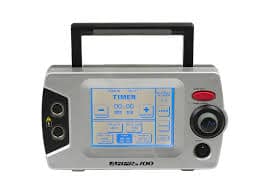
The ARP Wave (Accelerated Recovery Performance) uses a specific electrical current to find the "neurological origin" of your physical pain. While most therapies treat the site of the pain (where it hurts), ARP Wave finds where the signal is failing. This allows us to break down scar tissue and "re-train" your muscles to absorb force properly. It is a game-changer for chronic elbow pain and stubborn knee issues.
Our Comprehensive Approach Includes:
- Biomechanical Assessments: We watch how you move to see if your hips or ankles are causing your back pain.
- Soft Tissue Therapy: Utilizing Active Release Technique (ART) and Graston to fix those "Death Grip" forearm issues.
- Performance Training: We provide specific exercises to strengthen your "pickleball muscles": the glutes, core, and rotator cuff.
- Rehab Protocols: Custom sports injury therapy and rehab plans that transition you from the treatment table back to the baseline.
Don’t Wait for a Major Injury
If you’re a weekend warrior or a competitive senior player, don’t ignore the minor aches. Pickleball is meant to be a fun way to stay active, not a fast track to surgery. By fixing these seven common mistakes and incorporating professional care into your routine, you can ensure your body stays as sharp as your third-shot drop.
Ready to optimize your performance or recover from a lingering injury? Check out our services or learn more about Dr. Ford and the team. We’re here to help you stay in the game.
Visit us today at Dynamic Spine and Performance Center and let’s get you back to the kitchen line!
Ready to Move, Recover and Perform Better?
Schedule an individualized consultation with Dr. Stephen Ford at one of DSPC’s Greater Houston locations.
Book an Appointment