
Do you ever feel like you’re doing everything right in the gym, but your body just isn’t keeping up? You’re hitting your PRs, logging the miles, and showing up consistently, yet you wake up feeling like you’ve been hit by a truck every single morning. If you’re dealing with lingering soreness, nagging aches, or a plateau in your performance, the problem probably isn’t your workout: it’s your recovery.
At Dynamic Spine and Performance Center, we work with athletes and active adults who put significant effort into their training but still struggle with lingering soreness, fatigue, or stalled performance. Recovery is an essential part of training because it gives your muscles, joints, and nervous system time to adapt to the demands you’re placing on them.
Here are 10 reasons your post-workout recovery isn’t working and, more importantly, how you can fix it today.
1. You’re Skipping the Cool-Down
We get it: you’re busy. The second the clock hits zero on your workout, you’re out the door and into your car. But stopping abruptly is a recipe for disaster. When you exercise intensely, your blood vessels dilate to pump oxygen to your muscles. If you stop suddenly, that blood can pool in your extremities, leading to dizziness, fainting, and significant muscle stiffness.
The Fix: Give yourself just 5 to 10 minutes of low-intensity movement. Whether it’s a slow walk on the treadmill or some light cycling, let your heart rate drop gradually. This keeps your circulation moving, helps clear out metabolic waste, and prepares your body to enter a “rest and digest” state.
2. You’ve Neglected Your Mobility and Stretching
Stiffness isn’t just uncomfortable; it’s a precursor to injury. While many people focus on dynamic warm-ups (which are great!), they completely ignore static stretching after the workout. When your muscles are warm, they are at their most pliable. Ignoring this window leads to shortened muscle fibers and decreased range of motion.

The Fix: Incorporate static stretching for 10-15 minutes after your cool-down. Focus on the major muscle groups you just worked. If you aren’t sure where to start, our team can help you develop specific therapeutic exercises tailored to your sport or activity level.
3. Dehydration and Electrolyte Imbalance
Think a quick glass of water after your run is enough? Think again. Dehydration slows down almost every restorative process in your body. Furthermore, if you’re sweating heavily, you aren’t just losing water; you’re losing electrolytes like sodium, potassium, and magnesium. Without these, your muscles cannot properly relax or contract, leading to those painful midnight cramps.
The Fix: Don’t wait until you’re thirsty. Aim to drink water throughout your workout and follow up with an electrolyte-rich drink afterward. Look for options that contain at least 400-600mg of sodium if you’ve had a particularly sweaty session.
4. Your Post-Workout Nutrition is Lacking
Your body is like a high-performance engine. If you run it until the tank is empty and then leave it sitting in the garage, it’s not going to be ready for the next race. Post-workout, your body is primed to absorb nutrients. If you skip this window, you’re essentially telling your body to start breaking down its own muscle tissue for energy.
The Fix: Aim for a “recovery meal” or shake within 45 to 60 minutes of finishing your session. You need a combination of high-quality protein to repair muscle tissue and carbohydrates to replenish your glycogen stores.

5. You aren’t Taking Actual Rest Days
There is a fine line between dedication and overtraining. If you’re hitting the gym seven days a week without a break, you are likely in a state of chronic inflammation. Overtraining syndrome can lead to mood swings, poor sleep, and a weakened immune system.
The Fix: Schedule at least one to two full rest days per week. If you’re worried about losing progress, remember that “rest” is when the progress actually happens. Keep an eye out for the early warning signs of a sports injury, like persistent pain that doesn’t go away after 48 hours.
6. Your Sleep Quality is Poor
You can have the best diet and the best supplements, but if you’re only sleeping five hours a night, your recovery will fail. Sleep is the primary time your body releases human growth hormone (HGH), which is essential for tissue repair and muscle growth.
The Fix: Aim for 7-9 hours of quality sleep. Turn off the screens an hour before bed and keep your room cool and dark. Consistency is key: try to go to bed and wake up at the same time every day, even on weekends.
7. You’re Staying in Your Sweaty Clothes
This sounds like a minor detail, but it matters. Sitting in damp, sweaty workout gear for hours after your session can lead to skin irritations, bacterial infections, and a general “chill” that causes muscles to tighten up prematurely.
The Fix: Get out of those clothes as soon as possible. A quick shower not only helps with hygiene but can also serve as a form of hydrotherapy. Alternating between warm and cool water can help stimulate blood flow and reduce muscle soreness.
8. Total Inactivity on Rest Days
While we mentioned the importance of rest days, “rest” shouldn’t mean sitting on the couch for 14 hours straight. Total inactivity can actually lead to more stiffness because your blood flow slows down, preventing nutrients from reaching your recovering muscles.
The Fix: Embrace “Active Recovery.” On your off days, go for a light walk, do some gentle yoga, or take a leisurely swim. The goal is to get your blood moving without adding any significant stress to your system.
9. You’re Ramping Up Intensity Too Quickly
The “weekend warrior” mentality: going from zero to sixty in a single session: is a major reason for recovery failure. If you haven’t run in months and suddenly decide to do a 10k, your body simply doesn’t have the structural integrity to recover from that level of stress quickly.
The Fix: Follow the 10% rule. Don’t increase your volume, weight, or intensity by more than 10% per week. This gradual progression allows your joints, ligaments, and muscles to adapt and recover effectively.
10. You’re Ignoring “Check Engine” Lights
The most common mistake we see at Dynamic Spine and Performance Center is athletes trying to “push through” the pain. There is a massive difference between the “good” soreness of a hard workout (DOMS) and the “bad” pain of an underlying injury. If you ignore these signals, your body will eventually force you to stop.
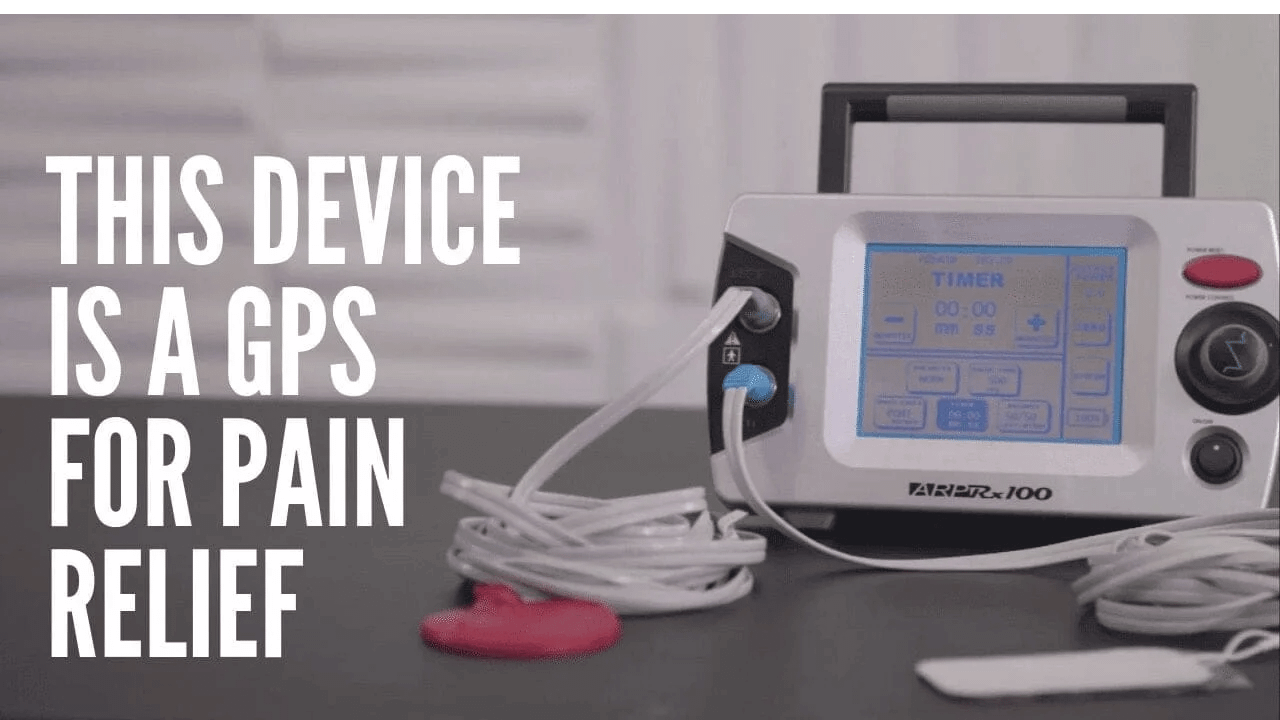
The Fix: If you have a persistent ache that won’t go away, it’s time for a professional assessment. We specialize in sports injury rehabilitation and use advanced tools like ARP Wave Therapy. ARP Wave acts like a “GPS for pain,” finding the neurological origin of the problem so we can fix it at the source, rather than just masking the symptoms.
How Professional Chiropractic Care Bridges the Gap
Sometimes, even when you do everything right: sleep, hydration, and nutrition: your body still feels “off.” This is often due to misalignments in the spine or restricted joint mobility that prevent your nervous system from communicating effectively with your muscles.
At Dynamic Spine and Performance Center, we take a holistic approach to recovery. By combining chiropractic adjustments with state-of-the-art therapies, we help your body return to its optimal state faster. Whether you’re a professional athlete or a busy parent trying to stay active, our goal is to get you back into the game as quickly and safely as possible.

Don’t let poor recovery hold you back from your goals. If you’re tired of feeling sore and sluggish, come see us in Houston or Katy. We’ll help you identify the roadblocks in your recovery and create a plan to get you performing at your best.
Ready to take your recovery to the next level? See our full list of services or schedule an appointment with Dr. Ford today.
Ready to Move, Recover and Perform Better?
Schedule an individualized consultation with Dr. Stephen Ford at one of DSPC’s Greater Houston locations.
Book an Appointment