
Chronic tendon pain, often clinically referred to as tendinopathy, is one of the most frustrating obstacles for athletes and active individuals alike. Unlike an acute muscle strain that heals with a few weeks of rest, chronic tendon issues: such as Achilles tendinitis, jumper's knee (patellar tendonitis), or tennis elbow: frequently enter a cycle of "failed healing." For many, the traditional advice of "just rest it" or "take ibuprofen" fails to address the underlying neurological and mechanical causes of the pain.
At Dynamic Spine and Performance Center, we advocate for a sophisticated, non-invasive approach that moves beyond temporary fixes. By integrating ARP (Accelerated Recovery Performance) Wave Therapy with specific therapeutic exercises, patients can break the chronic pain cycle and restore the integrity of their connective tissues. This guide explores how these two modalities work in tandem to provide a long-term solution for tendon health.
Understanding the Chronic Tendon Pain Cycle
To manage tendon pain, one must first understand why it becomes chronic. Tendons are the thick cords of tissue that connect muscle to bone. They are designed to withstand high tension, but they have a lower blood supply than muscles, which makes their healing process slower.
When a tendon is repeatedly overloaded, the collagen fibers within it begin to break down. If the body cannot keep up with the repair, the tendon undergoes structural changes. The "cycle" occurs because the body begins to compensate for the pain by shifting the load to other muscles or joints. These compensations create new imbalances, which ultimately place even more stress on the injured tendon, preventing it from ever fully recovering. Breaking this cycle requires a two-pronged approach: identifying the source of the mechanical failure and gradually reintroducing the load through exercise.
Why ARP Wave Therapy is a Game-Changer
Most traditional therapies focus on the "site of pain": where the tendon hurts. However, the site of pain is rarely the actual source of the problem. Often, the pain is the result of a muscle elsewhere in the body failing to absorb force correctly, forcing the tendon to take on a load it wasn't meant to handle.
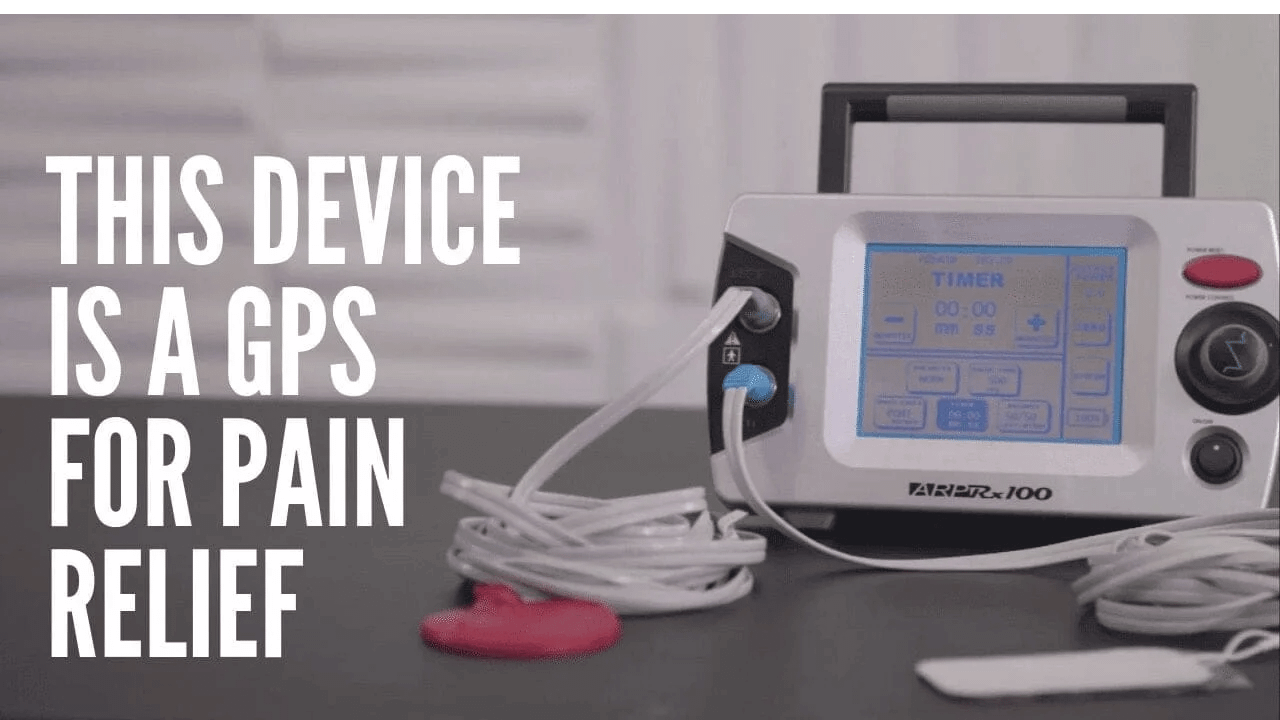
ARP Wave Therapy uses a patented high-frequency electrical current to find these "neurological disconnects." It acts as a diagnostic tool and a treatment modality simultaneously. While traditional TENS units merely mask pain by confusing the nerves, the ARP Wave RX100 device penetrates deep into the tissue to identify where the signal from the brain to the muscle is breaking down.
By using this "GPS for pain," the team at Dynamic Spine and Performance Center can pinpoint the exact muscle group that is failing to "fire." Once the neurological source is addressed, the tension on the chronic tendon is immediately reduced, allowing the healing process to finally progress.
The Role of Therapeutic Exercise: Building Tendon Resilience
While ARP Wave Therapy addresses the neurological "software" of the body, therapeutic exercise addresses the "hardware." Once the neurological signal is restored, the tendon must be taught how to handle weight and tension again. This is where sports injury therapy and rehab protocols become essential.
For chronic tendon management, three types of exercises are generally utilized:
- Isometrics: These involve holding a muscle in a static position under tension (like a wall sit). Research indicates that isometric holds can have an analgesic (pain-relieving) effect on tendons, making them a perfect starting point for beginners.
- Eccentrics: This is the process of lengthening the muscle under a load (like slowly lowering your heel off a step for Achilles pain). Eccentric loading is the "gold standard" for tendon rehabilitation as it stimulates collagen production and realigns tendon fibers.
- Heavy Slow Resistance (HSR): As the tendon strengthens, moving toward heavier weights with slow, controlled repetitions helps build the necessary "stiffness" a healthy tendon needs to act like a powerful spring during athletic activity.
The Synergy: Integrating ARP Wave with Loading
The true "secret" to modern, non-invasive pain management lies in the integration of these two methods. When we perform therapeutic exercises while the patient is hooked up to the ARP Wave machine, we achieve what is known as "active recovery."
By performing the specific movements that usually cause pain while the ARP Wave current is active, we "re-train" the nervous system to accept the load without the compensatory guarding response. This allows the patient to perform higher-level exercises much sooner than they would with traditional physical therapy alone. This combination accelerates the remodeling of the tendon and ensures that the muscle-tendon unit is actually functional, not just "less painful."
A Step-by-Step Guide for Beginners
If you are dealing with a common condition like patellar tendonitis or plantar fasciitis, here is how a non-invasive integration plan typically looks:
- Phase 1: Neurological Mapping. Using the ARP Wave to find where your body is failing to absorb force. If your knee hurts, we might find the issue is actually in your hip or opposite ankle.
- Phase 2: Pain Reduction and Range of Motion. Treating the neurological source to calm the "fire" in the tendon and restoring the joint’s ability to move without restriction.
- Phase 3: Controlled Loading. Introducing isometric and eccentric exercises. We use the ARP Wave during these exercises to ensure the correct muscles are doing the work, preventing further sports injuries.
- Phase 4: Return to Play. Gradually increasing the speed and intensity of movements (plyometrics) to ensure the tendon can handle the "spring" required for running, jumping, or daily activities.

Why Choose Non-Invasive Over Surgery?
For the vast majority of chronic tendon cases, surgery should be the absolute last resort. Surgical interventions often involve long recovery times and the risk of scar tissue formation, which can limit future performance.
Non-invasive management through Sports Performance Chiropractic and ARP Wave Therapy offers:
- Zero Downtime: Patients are often encouraged to stay active during the process.
- Source Correction: We don't just "clean up" the tendon; we fix why it broke in the first place.
- Improved Performance: By fixing neurological imbalances, most athletes find they are actually faster and stronger after rehab than they were before the injury.
Is This Right For You?
If you have been "managing" the same nagging pain for months, it is time to look at the early warning signs of a deeper issue. Chronic tendon pain doesn't just go away with rest; it requires a strategic, active intervention that addresses both the brain and the body.
Whether you are a professional athlete or a weekend warrior in Katy, Texas, the team at Dynamic Spine and Performance Center is dedicated to getting you back in the game. By combining the cutting-edge technology of ARP Wave Therapy with evidence-based therapeutic exercises, we provide a roadmap for long-term, pain-free movement.
Ready to break the cycle? Contact us today to schedule an evaluation with Dr. Ford and discover how we can help you reclaim your performance.
Ready to Move, Recover and Perform Better?
Schedule an individualized consultation with Dr. Stephen Ford at one of DSPC’s Greater Houston locations.
Book an Appointment