
For decades, the standard medical advice for a sports injury was simple: rest, ice, and wait. If you pulled a hamstring or strained your lower back, you were often told to stay off the field or out of the gym for six to eight weeks. However, modern sports science and data-driven sports performance chiropractic are proving that “just resting” might be the slowest: and potentially most damaging: path to recovery.
When an athlete is sidelined, the biological clock doesn’t just stop; it starts ticking in reverse. While the initial injury begins to heal, the rest of the body begins to de-condition. Muscles atrophy, neurological pathways become sluggish, and joint mobility decreases. The question isn’t just “when will the pain stop?” but rather “how much of your athletic potential are you losing every day you spend on the couch?”
The Myth of Extended Passive Rest
The traditional RICE (Rest, Ice, Compression, Elevation) protocol has recently come under scrutiny by leading sports medicine researchers. While the “acute inflammation phase”: the first 24 to 48 hours after an injury: absolutely requires a reduction in activity to prevent further tissue damage, extending that rest into weeks or months can be counterproductive.
Research indicates that muscle atrophy can begin in as little as one to two weeks of total immobilization. When you stop moving, your body’s “use it or lose it” principle kicks in. For a high-level athlete or even a dedicated weekend warrior, this de-conditioning creates a dangerous cycle. You rest until the pain goes away, but because your supporting muscles have weakened and your biomechanics have shifted, you are at a significantly higher risk for re-injury the moment you return to play.
Instead of months of passive rest, the modern approach to sports injury rehabilitation focuses on “active recovery” and early intervention. The goal is to maintain as much function as possible while specifically targeting the injured tissue.
Why Data-Driven Chiropractic is Different
At Dynamic Spine and Performance Center, we don’t guess: we measure. The “data-driven” aspect of our practice means we use objective diagnostic tools to identify exactly where the dysfunction lies. Often, where you feel the pain isn’t actually where the problem started.
Traditional chiropractic focuses on spinal alignment, which is vital, but sports performance chiropractic goes a step further. We look at the neurological connection between the brain and the muscles. If your brain is “protecting” an area by shutting down muscle firing, no amount of rest will fix that neurological inhibition.
Through detailed assessments, we determine the exact load-bearing capacity of your joints and tissues. This allows us to create a rehabilitation plan that keeps you moving safely, rather than keeping you sedentary.
ARP Wave Therapy: The GPS for Pain Relief
One of the most powerful tools in our data-driven arsenal is ARP Wave Therapy. If traditional physical therapy is like a map, the ARP Wave RX100 is like a GPS.
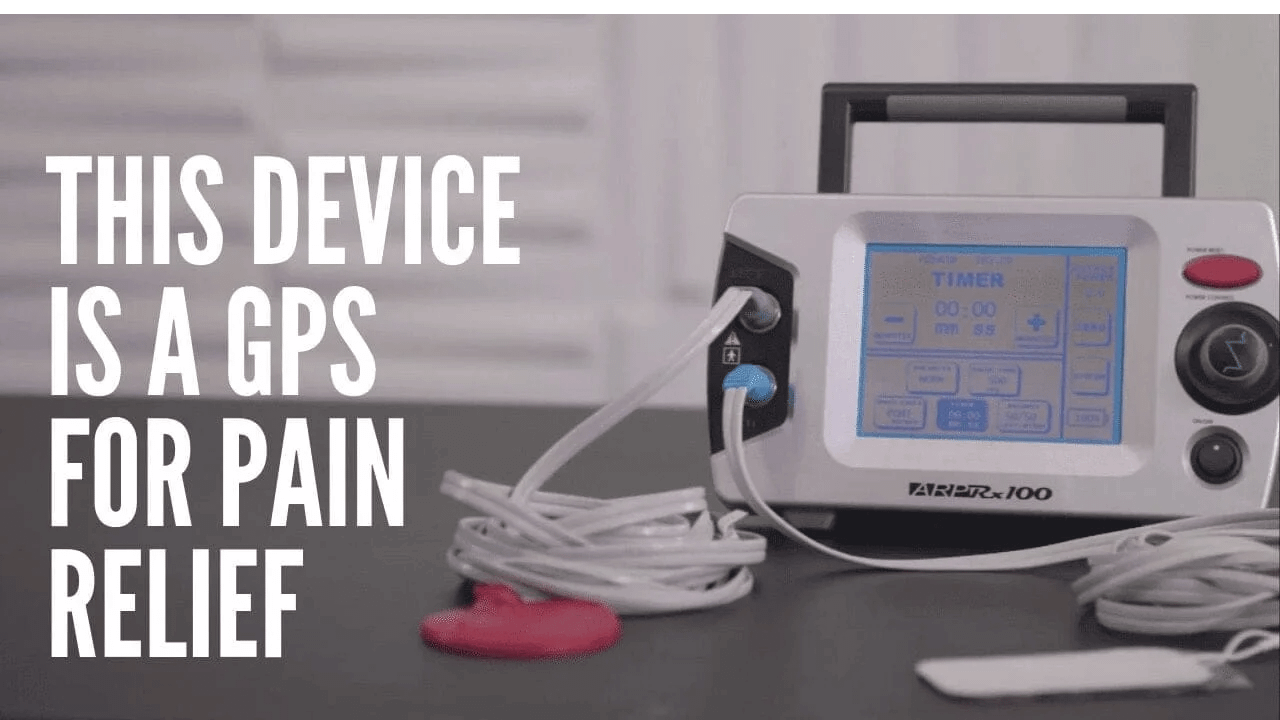
Many chronic injuries persist because the body has developed “compensatory patterns.” For example, a knee injury might actually be caused by a hip that isn’t absorbing shock correctly. The ARP Wave device uses a patented bio-electrical current to scan the body and locate the true origin of the physical “short circuit.”
By identifying these hot spots, we can provide non-invasive pain management that addresses the root cause immediately. This technology allows athletes to perform “eccentric” movements while the device neurologically resets the muscle’s ability to absorb force. This is why our patients often return to activity in a fraction of the time compared to traditional rest-based protocols.
The Cost of Waiting: When to Seek Help
Are you waiting for the pain to “just go away”? This is a common mistake. If you are experiencing early warning signs of a sports injury, such as persistent stiffness, a loss of range of motion, or a “twinge” that returns every time you increase your intensity, you should seek a professional evaluation.
Waiting months to address a “minor” issue often leads to:
- Chronic Inflammation: Soft tissues can become fibrotic (scarred), making them less elastic and more prone to tearing.
- Altered Biomechanics: Your body will naturally shift its weight to avoid pain, leading to secondary injuries in the opposite limb or the lower back.
- Decreased Bone Density: Impact and resistance are necessary for bone health; prolonged inactivity can weaken the skeletal structure.
According to research, strength athletes typically need 48–72 hours for 80% recovery between intense sessions. If you find yourself needing weeks of rest after a standard workout, there is likely an underlying mechanical or neurological issue that needs to be addressed through chiropractic adjustments or specialized therapy.

How We Get You Back Faster
Our approach at Dynamic Spine and Performance Center, led by Dr. Stephen Ford, is designed to bridge the gap between clinical healthcare and elite athletic performance. We utilize a multi-disciplinary framework:
- Neurological Reset: Using ARP Wave to find and fix the source of the pain.
- Mechanical Correction: Precise adjustments to ensure the joints are moving through their full, intended range of motion.
- Tissue Rehabilitation: Techniques like dry needling or soft tissue mobilization to break down adhesions.
- Load Management: Data-driven advice on how much you can train without regressing.
This isn’t just for professional athletes. Whether you are dealing with common conditions like plantar fasciitis, tennis elbow, or chronic lower back pain, the principles of data-driven care apply. The goal is to move you from the “fragile” state of injury back to a “resilient” state of performance as quickly as safely possible.
Active Recovery: The New Standard
The data is clear: movement is medicine. While you might need to modify your activity: perhaps swapping running for swimming or heavy squats for isometric holds: total rest is rarely the answer.
By utilizing sports performance chiropractic, you gain a partner who understands the demands of your sport and the biology of your recovery. We help you navigate the “golden window” of rehabilitation: the period where the right interventions can prevent permanent changes in your movement patterns.
If you’re tired of being told to “take a few months off” without a clear plan for what happens next, it’s time for a different approach. You can learn more about our specific sports therapy techniques or check our FAQs to see how we handle specific injury types.
Conclusion
Don’t let a “wait and see” attitude steal months of your active life. Modern sports injury rehabilitation is about precision, data, and proactive movement. By identifying the neurological and mechanical roots of your pain, we can help you return to the activities you love with more strength and better form than before you were injured.
If you are ready to stop resting and start recovering, you should consider a comprehensive evaluation at Dynamic Spine and Performance Center. Our team is dedicated to getting you back in the game safely and efficiently.
Ready to Move, Recover and Perform Better?
Schedule an individualized consultation with Dr. Stephen Ford at one of DSPC’s Greater Houston locations.
Book an Appointment