
You've tried rest. You've iced it. You've done the exercises your PT gave you. But that nagging knee pain just won't quit. It might feel better for a few days, then comes roaring back the moment you push your training. Sound familiar?
If you're an athlete dealing with persistent knee pain that seems to have a mind of its own, the problem might not be where you think it is. And that's exactly where ARP Wave Therapy comes in.
Why Your Knee Pain Keeps Coming Back
Here's the thing most athletes don't realize: that pain in your knee might not actually be a knee problem. Sure, that's where it hurts. But the real issue could be a neurological miscommunication happening somewhere else entirely.
Traditional treatments focus on the pain site: icing the knee, strengthening the quad, stretching the hamstring. But if the underlying neurological dysfunction isn't addressed, you're basically putting a band-aid on a broken wire. The signal from your brain to the muscles around your knee gets disrupted, certain muscles shut down or stop firing properly, and other muscles compensate. That compensation creates stress, inflammation, and eventually… pain that won't go away.
This is where ARP Wave Therapy takes a completely different approach.

What Makes ARP Wave Different from Other Therapies
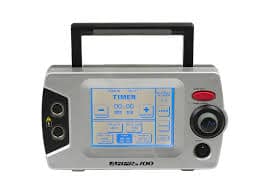
ARP Wave (Accelerated Recovery Performance) uses targeted electrical stimulation, but it's nothing like the TENS unit you might have tried before. Instead of just blocking pain signals, ARP Wave actually identifies where the neurological breakdown is occurring and forces those dormant muscles to wake up and start working again.
Think of it like a diagnostic tool and treatment method rolled into one. The therapy delivers direct current electrical impulses that travel along the same pathways your nervous system uses. When the current encounters resistance: scar tissue, inflammation, or neurological dysfunction: you feel it. That's how practitioners can pinpoint exactly where the problem originates, even if it's nowhere near where your knee hurts.
Once identified, the therapy forces muscle contractions in those problem areas while you perform functional movements. This retrains the neurological pathways, breaks up compensation patterns, and restores proper muscle activation.
The Science Behind ARP Wave for Knee Pain
Research published in the Journal of Athletic Training found that electrical stimulation techniques like ARP Wave effectively enhanced muscle strength, alleviated pain, and accelerated tissue healing in athletes recovering from ligament injuries. The study demonstrated measurable improvements in both subjective pain levels and objective strength measurements.
More specifically for knee injuries, research on post-ACL reconstruction patients showed that ARP Wave therapy shortened recovery time, reduced muscle atrophy, and improved strength in the injured knee compared to conventional rehabilitation alone. Athletes were able to return to sport faster and with better functional outcomes.
A pilot study on adolescent athletes dealing with anterior knee pain showed significant improvements in outcome scores, suggesting the therapy not only reduces pain but actively engages patients in their rehabilitation process. When athletes can feel their muscles working again: sometimes for the first time in months: it creates a psychological shift that accelerates recovery.
The therapy works through several key mechanisms:
Increases blood flow and circulation to deliver oxygen and nutrients to damaged tissues while flushing out inflammatory byproducts that perpetuate pain cycles.
Stimulates muscle activation in areas that have shut down, forcing the nervous system to re-establish proper firing patterns and rebuild strength where it's needed most.
Reduces inflammation by promoting lymphatic drainage and breaking up areas of chronic swelling that contribute to ongoing discomfort.
Blocks pain signals by promoting endorphin release and essentially overriding the pain messages being sent to your brain, giving your body a chance to heal without constant pain interference.

Specific Knee Conditions ARP Wave Addresses
ARP Wave has shown effectiveness for a wide range of knee issues that plague athletes:
Ligament tears and sprains (ACL, MCL, LCL) respond particularly well because the therapy addresses the muscle inhibition that occurs after these injuries. When a ligament is compromised, surrounding muscles often shut down as a protective mechanism, but that shutdown can persist long after the ligament heals.
Patellar tendonitis and jumper's knee benefit from ARP Wave's ability to break down scar tissue and restore proper tendon function while addressing the muscle imbalances that caused excessive stress on the tendon in the first place.
IT band syndrome often originates from weak or non-firing glutes and hip stabilizers. ARP Wave can identify these upstream issues and retrain proper hip mechanics, taking stress off the IT band and knee.
Post-surgical rehabilitation for any knee procedure can be accelerated with ARP Wave. The therapy combats muscle atrophy, reduces scar tissue formation, and helps athletes regain strength and range of motion faster than conventional rehab alone.
Arthritis and degenerative conditions see pain reduction and improved function as ARP Wave strengthens supporting muscles, improves joint stability, and reduces inflammation without invasive procedures.
Muscle atrophy and weakness from chronic pain or disuse responds to the forced contractions and neurological re-education that ARP Wave provides.
What to Expect During ARP Wave Treatment
If you're considering ARP Wave therapy for your knee pain, here's what typically happens. Sessions usually last 20 to 30 minutes, though initial assessment sessions might run longer.
The practitioner will use the ARP Wave device to scan areas related to your knee pain: your knee itself, but also your hip, ankle, lower back, and other areas that might be contributing to the problem. When the current encounters dysfunction, you'll feel it. It's not comfortable, but it's tolerable, and that discomfort is actually valuable diagnostic information.
Once problem areas are identified, you'll perform functional movements while receiving treatment. This might mean doing squats, lunges, or sport-specific movements while the ARP Wave forces your muscles to fire correctly. This active component is crucial: it's not passive treatment. You're literally retraining your nervous system in real-time.
Most athletes notice some improvement after the first session, though significant results typically require a series of treatments. The therapy is non-invasive with minimal risk, making it an attractive option for athletes who want to avoid surgery or are looking to optimize recovery after a procedure.

Is ARP Wave Right for Your Knee Pain?
Here's the honest truth: ARP Wave isn't a magic bullet, but it can be a game-changer when used as part of a comprehensive sports injury rehabilitation program.
It works best for athletes who have:
- Chronic knee pain that hasn't responded to conventional treatment
- Post-surgical recovery that's plateaued
- Muscle weakness or atrophy around the knee
- Recurrent pain that keeps coming back with activity
- Compensation patterns from previous injuries
The research suggests ARP Wave is most effective when combined with functional exercise, proper movement patterns, and a strategic return-to-sport protocol rather than used in isolation. Individual response varies based on injury severity, how long the problem has existed, and overall neuromuscular function.
Getting Back to What You Love
Stubborn knee pain doesn't have to be the end of your athletic career or force you into surgery. When conventional treatments focus only on symptoms while the neurological dysfunction continues unchecked, you're left frustrated and sidelined.
ARP Wave Therapy offers a different path: one that addresses the root cause, retrains your nervous system, and gets you back to performing at your best. Combined with proper rehabilitation and sports performance techniques, many athletes find they not only recover from their knee pain but come back stronger than before.
If you've been dealing with knee pain that just won't quit, it might be time to look deeper than the knee itself. The answer to your persistent pain could be hiding in a neurological pattern that's been there all along, just waiting to be reset.
Ready to find out what's really causing your knee pain? Let's identify the source and get you back in the game.
Ready to Move, Recover and Perform Better?
Schedule an individualized consultation with Dr. Stephen Ford at one of DSPC’s Greater Houston locations.
Book an Appointment