
If you’ve spent any time in a gym or scrolling through social media, you’ve likely heard the warnings. Critics often claim that CrossFit is a “factory for injuries” or that it’s inherently “bad for your joints.” You might see videos of high-repetition Olympic lifts or demanding gymnastic movements and wonder what that type of training means for your knees, shoulders, back, and long-term joint health.
At Dynamic Spine and Performance Center, we see athletes from every discipline: from weekend warriors to professional competitors. We understand the concern. You want to be fit, strong, and capable, but you don’t want to sacrifice your long-term mobility for a faster “Fran” time.
So, what is the actual truth? Is CrossFit bad for your joints, or is the risk overblown? Let’s dive into the research and the clinical reality of high-intensity functional training.
So, is CrossFit bad for your joints? Not inherently. Injury risk depends on factors such as training volume, exercise technique, recovery, previous injuries, coaching, and whether the demands of a workout match an athlete’s current capacity. CrossFit can be demanding, but demanding exercise and harmful exercise are not necessarily the same thing.
What Does the Research Say About CrossFit Injuries?
When we look at the data, the numbers can seem startling at first glance. Research into the CrossFit community has found that approximately 73.5% of athletes sustain an injury at some point during their training. However, looking at that number in isolation is misleading.
To get a real sense of risk, we look at “injury incidence rates” per 1,000 hours of training. In CrossFit, that rate typically falls between 2.1 and 3.1 injuries per 1,000 hours. To put that into perspective, this is very similar to the injury rates found in general weightlifting, powerlifting, and gymnastics. It is significantly lower than the injury rates found in contact sports like football or rugby.
The reality is that any physical activity carries a risk. The question isn’t whether the sport is “bad,” but rather which joints are most at risk and how you can protect them.
The “Big Three”: Where CrossFit Athletes Feel the Most Pain
Based on clinical observations and academic studies, three specific areas of the body bear the brunt of CrossFit-style training. If you are training at a high intensity, you need to pay special attention to these “hot spots”:
1. The Lower Back (32.2% of injuries)
The lower back is the most commonly reported area of discomfort. This usually stems from high-volume movements involving a “hinge,” such as deadlifts, kettlebell swings, and cleans. When fatigue sets in during a timed workout (WOD), your core stability may falter, causing your spine to round and placing excessive shear force on your discs.
2. The Shoulders (20.7% of injuries)
Your shoulders are the most mobile joints in your body, which also makes them the least stable. The combination of overhead pressing, kipping pull-ups, and snatches can lead to shoulder impingement, labrum tears, or rotator cuff tendinitis. If you lack the proper thoracic (mid-back) mobility, your shoulders will overcompensate, leading to wear and tear.
3. The Knees (15% of injuries)
High-rep squats, lunges, and box jumps are CrossFit staples. While these movements build incredible leg strength, they can stress the patellar tendon or the meniscus if your mechanics are off: specifically if your knees “cave in” (valgus collapse) during heavy loads or high-impact landings.

Why Do Injuries Happen? (It’s Rarely the Exercise Itself)
In our experience at Dynamic Spine and Performance Center, CrossFit injuries rarely happen because a movement is “bad.” They happen because of how the movement is executed. Here are the primary risk factors we see:
- Training Through Fatigue: Most injuries occur at the end of a workout when form breaks down. When you prioritize the clock over the quality of the movement, your joints pay the price.
- The “Rx” Ego: Research shows that athletes who constantly flip-flop between “Rx” (as prescribed) and “Scaled” loads have a 3.5-fold higher risk of injury. Pushing for a weight you aren’t ready for is a recipe for a sports injury that requires treatment.
- Lack of Proper Recovery: Your joints and connective tissues need more time to recover than your muscles. If you’re hitting high-intensity workouts five or six days a week without rest, you are likely accumulating micro-trauma that will eventually lead to a chronic issue.
- Poor Foundation: Novices are at a higher risk than veterans. In fact, athletes with more than one year of experience have roughly half the injury risk of beginners because they have developed the necessary sports performance foundations.
How to Protect Your Joints While Staying Competitive
You don’t have to quit CrossFit to save your joints. You just have to train smarter. Here is how you can mitigate the risks:
Prioritize Mobility Over Intensity
If you cannot overhead squat a PVC pipe with perfect form, you should not be snatching a loaded barbell. Lack of mobility is the leading cause of joint compensation. Spend 10-15 minutes before every session working on hip and thoracic mobility.
Listen to the “Yellow Lights”
Pain is your body’s way of communicating. We often talk about early warning signs of a sports injury. If you feel a “tweak” or a sharp pinch, that is a yellow light. Don’t push through it to finish the round. Stop, scale the movement, or end the session.
Utilize Professional Support
The most successful CrossFit athletes don’t wait until they are “broken” to see a professional. Regular chiropractic adjustments ensure that your joints are moving through their full, intended range of motion. This prevents one joint from overworking to make up for a “stuck” neighbor.
How We Help CrossFit Athletes at Dynamic Spine and Performance Center
If you are already feeling the strain of your training, we offer advanced sports injury therapy and rehab specifically designed for high-performance athletes.
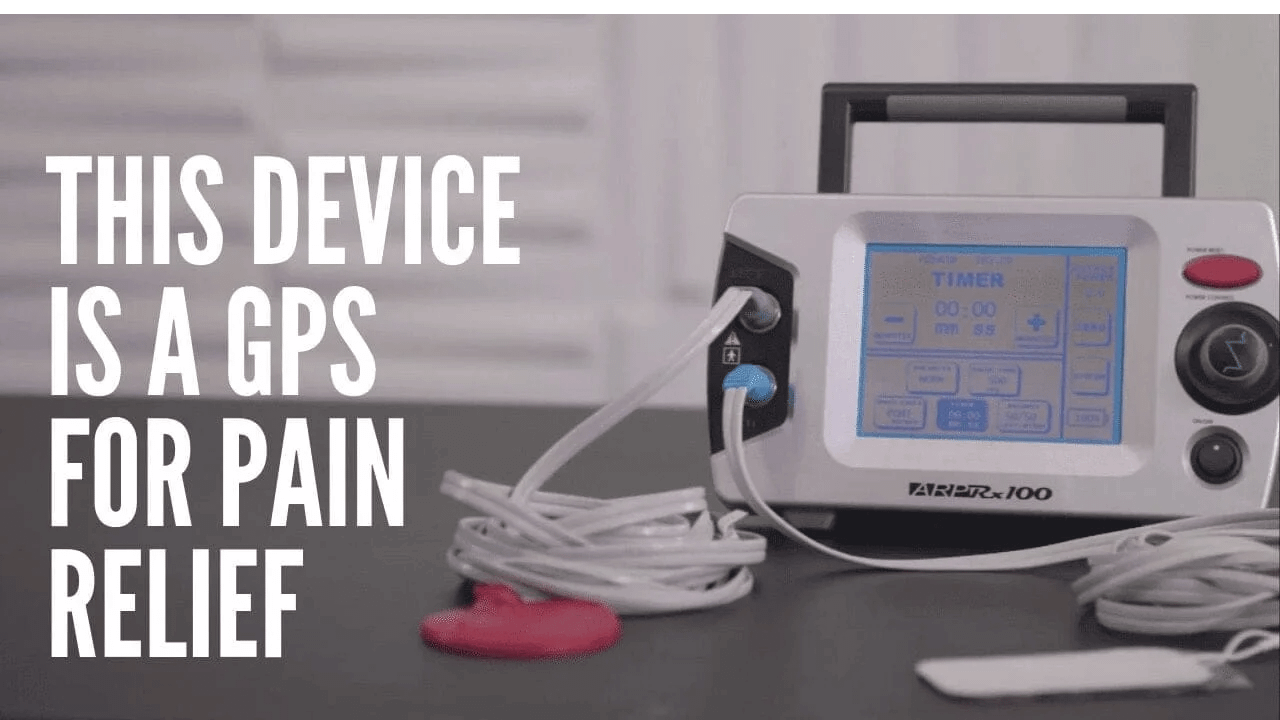
One of our most effective tools for the CrossFit community is ARP Wave Therapy. We think of it as a “GPS for pain relief.” Most traditional treatments focus on where it hurts (the knee, the shoulder), but ARP Wave helps us find where the pain is coming from. Often, a knee issue is actually a failure of the hip or core to absorb force properly. By identifying these neurological disconnects, we can accelerate your recovery and get you back to the box faster.
We also utilize sports therapy techniques like dry needling and soft tissue mobilization to break up adhesions and improve blood flow to stressed tendons. Our goal isn’t just to “fix” the pain: it’s to optimize your body so you can perform better than you did before the injury.
The Bottom Line: Is CrossFit Bad for Your Joints?
The answer is no, CrossFit is not inherently bad for your joints. However, it is a high-demand sport that requires a high-demand recovery and maintenance plan. When done with proper coaching, a focus on mechanics over intensity, and regular musculoskeletal maintenance, CrossFit can actually strengthen your joints by increasing bone density and toughening connective tissue.
If you’re worried about a nagging ache or you want to ensure your body can handle the volume of your training, come see us. Whether you’re a veteran athlete or just starting your fitness journey, the team at Dynamic Spine and Performance Center is here to help you stay in the game.
Are you ready to optimize your performance? Click here to learn more about our services or schedule a consultation with Dr. Ford today.
Ready to Move, Recover and Perform Better?
Schedule an individualized consultation with Dr. Stephen Ford at one of DSPC’s Greater Houston locations.
Book an Appointment