
For decades, the standard protocol for treating sports injuries and acute pain followed a simple acronym: R.I.C.E. (Rest, Ice, Compression, and Elevation). While these steps remain useful in the very earliest stages of an injury, emerging clinical research and modern sports science are shifting the narrative. We now understand that prolonged inactivity can be one of the greatest obstacles to a full recovery.
In the field of sports medicine and chiropractic care, the focus has shifted toward non-invasive pain management strategies that prioritize early, controlled movement. At Dynamic Spine and Performance Center, the philosophy centers on the transition from passive rest to active recovery. Understanding why movement is superior to total rest can help athletes and active individuals return to their peak performance levels faster and with a lower risk of reinjury.
The Pitfalls of Passive Rest: Why "Doing Nothing" Can Hurt
When an injury occurs, the body’s natural inflammatory response is triggered. While inflammation is a necessary part of healing, extended periods of immobilization can lead to several physiological setbacks. Prolonged inactivity can actually worsen chronic pain by reducing systemic circulation and decreasing muscle strength, effectively creating a cycle of stiffness and avoidance.
When an athlete chooses to "wait it out" on the couch, several negative processes begin:
- Muscle Atrophy: Even a few days of total immobilization can lead to a measurable loss in muscle mass and neuromuscular control.
- Joint Stiffness: Synovial fluid, which lubricates the joints, requires movement to circulate properly. Without it, joints become stiff and painful to move.
- Adhesion Formation: Scar tissue often forms in a disorganized fashion when a limb or joint is not moved, leading to restricted ranges of motion later.
- Increased Nervous System Sensitivity: Chronic rest can cause the nervous system to become hyper-vigilant, making the area feel more painful even after the physical tissue has begun to heal.
The Science of Movement: How Therapeutic Exercises Speed Up Rehab
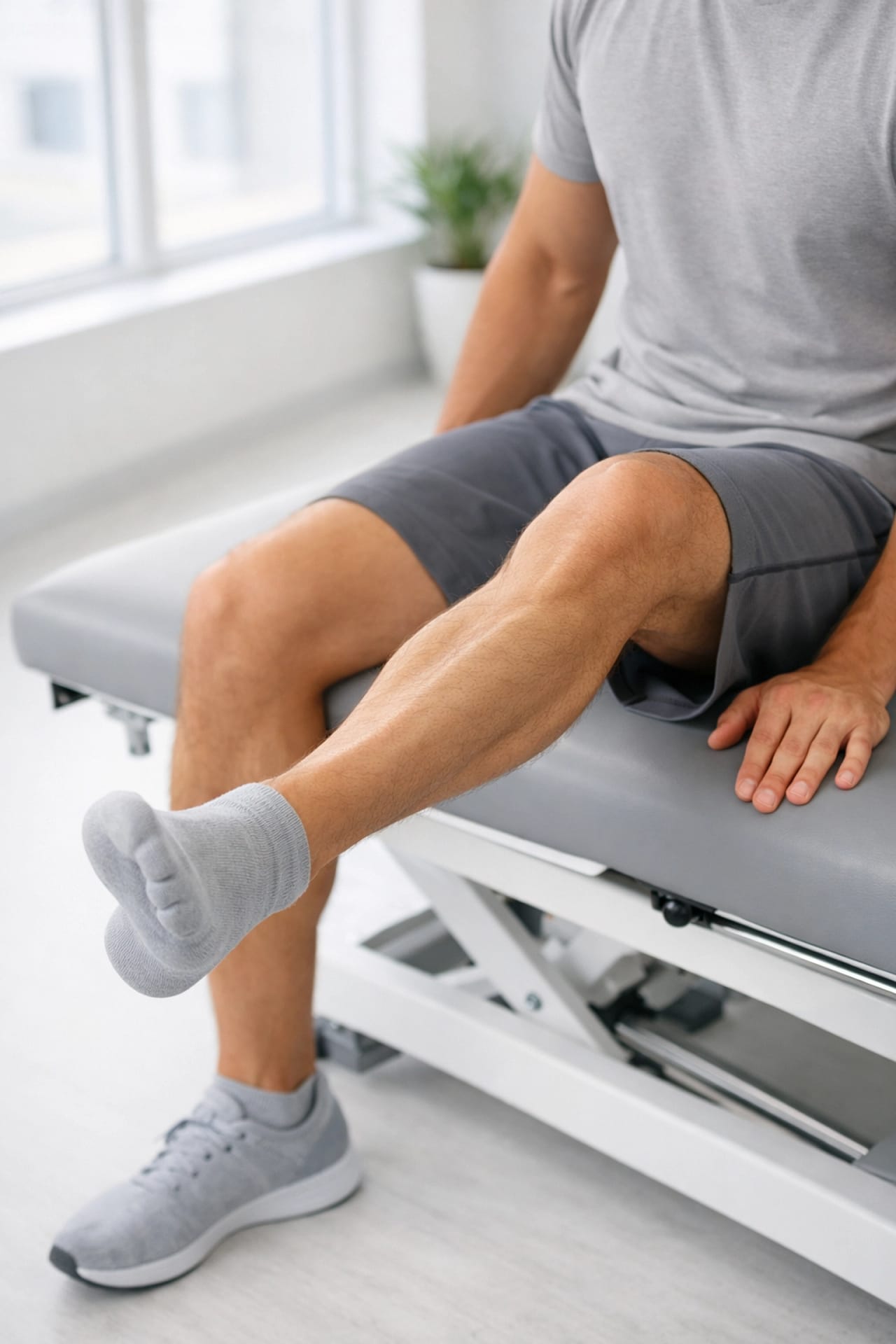
The transition to therapeutic exercises is the cornerstone of modern sports injury therapy and rehab. Unlike general exercise, therapeutic exercises are specifically designed to address the mechanical deficits caused by an injury.
Movement, even gentle activity, activates your body's natural healing processes. This occurs through several interconnected biological mechanisms:
1. Enhanced Circulation and Nutrient Delivery
When you move, blood flow increases to the affected tissues. This surge delivers oxygen and essential nutrients required for cellular repair while simultaneously flushing out inflammatory waste products. Research suggests that even low-intensity movement, such as walking or mobility drills, can contribute to lower inflammation levels across the body.
2. Natural Pain Relief through Endorphins
Physical activity stimulates the release of endorphins, the body’s natural chemical painkillers. These are often more potent than over-the-counter medications and carry no adverse side effects. This process, known as "exercise-induced analgesia," effectively helps the brain "turn down the volume" on pain signals.
3. Progressive Loading and Tissue Remodeling
According to Davis’s Law and Wolff’s Law, soft tissue and bone remodel themselves along the lines of the stress applied to them. By introducing controlled mechanical loads through therapeutic exercise, we "teach" the new collagen fibers to align properly, resulting in stronger, more resilient tissue.
From Acute Rest to Active Movement: When to Make the Switch
The most common question patients ask is: "When is it safe to start moving?" The transition from the acute phase (the first 24–72 hours) to the sub-acute phase is critical.
If you are experiencing early warning signs of a sports injury, such as sharp pain that persists for more than two days or localized swelling that doesn't subside, a professional evaluation is necessary. Generally, once the initial "throbbing" pain of an acute injury subsides, it is time to introduce non-weight-bearing movements.
The Stages of Non-Invasive Recovery:
- The Protection Phase (Days 1-3): Focus on minimizing further damage while maintaining mobility in the surrounding joints.
- The Controlled Loading Phase (Days 4-14): Introduction of isometric exercises (muscle contractions without joint movement) and gentle range-of-motion drills.
- The Functional Rehabilitation Phase (Weeks 2+): Transitioning to dynamic movements that mimic the demands of your sport or daily life.
Non-Invasive Modalities: Tools Beyond the Exercise Mat
While exercise is the engine of recovery, advanced sports therapy techniques act as the catalyst. At Dynamic Spine and Performance Center, we utilize several non-invasive pain management tools to bridge the gap between pain and performance.
ARP Wave Therapy
One of the most effective tools for accelerating the transition to movement is the ARP Wave Machine. Unlike traditional TENS units that simply mask pain, ARP Wave Therapy uses a patented bio-electrical current to find the "neurological disconnect" that caused the injury. By treating the neurological origin of the pain, athletes can often perform therapeutic exercises much sooner than they could otherwise.

Chiropractic Adjustments
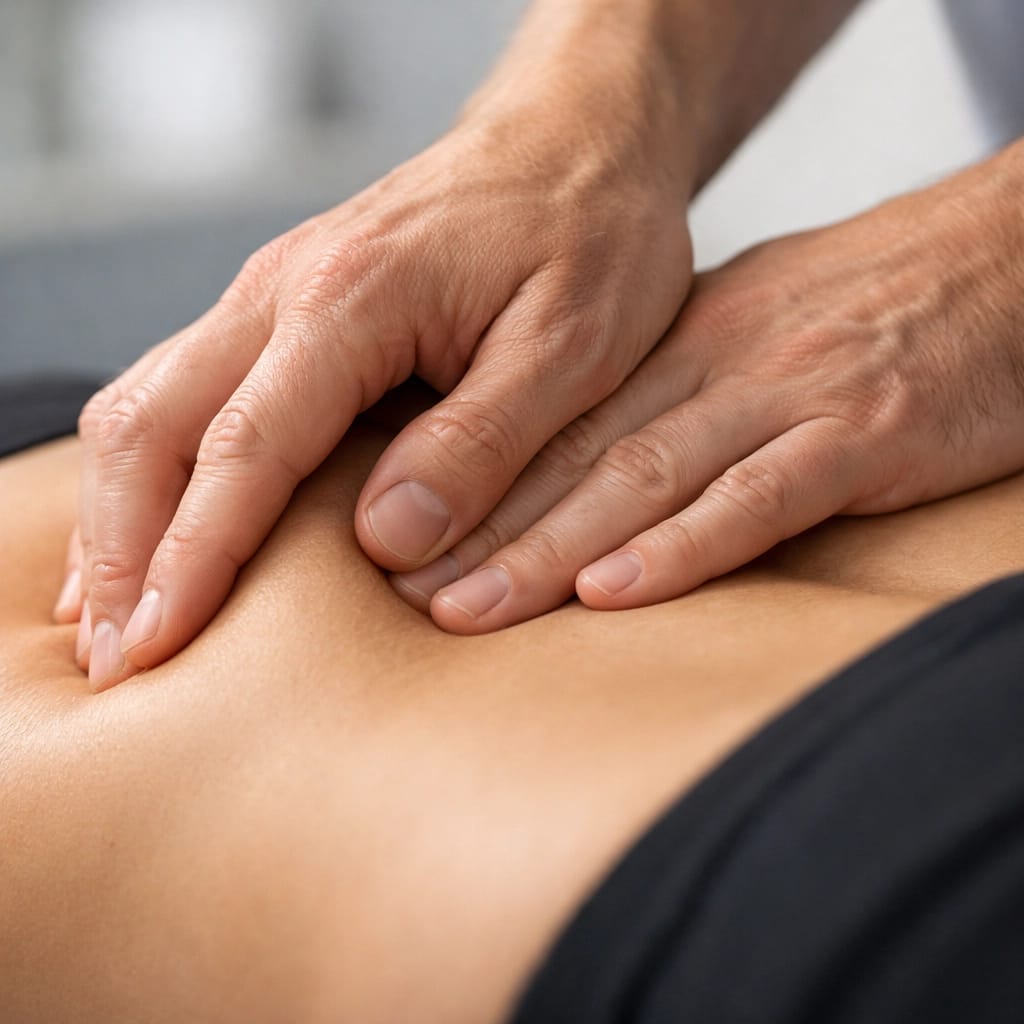
Chiropractic adjustments play a vital role in restoring proper biomechanics. If a joint is restricted, the surrounding muscles will overcompensate, leading to secondary injuries. By ensuring the spine and extremities are moving correctly, we create the optimal environment for therapeutic exercises to be effective.
Dry Needling
For those dealing with chronic muscle knots or "trigger points," dry needling can provide immediate relief. This technique involves inserting thin monofilament needles into the muscle to cause a "twitch response," which resets the muscle's tension and improves blood flow.
Mastery Your Recovery: A Beginner’s Guide
If you are currently managing an injury, mastering your recovery involves a shift in mindset. Instead of asking "How long must I rest?", ask "How much can I safely do?"
Practical Non-Invasive Approaches to Start Today:
- Focus on What You CAN Do: If your ankle is sprained, you can still perform upper-body movements and core stability work. Maintaining general fitness improves blood flow and psychological well-being.
- Monitor the Pain Scale: Movement should be uncomfortable but not excruciating. On a scale of 1-10, staying in the 2-4 range during rehab is often acceptable, provided the pain does not increase the next day.
- Prioritize Sleep and Hydration: These are the "passive" parts of recovery that actually support "active" rehab. Your tissues need water and rest cycles to repair the damage.
Why Professional Guidance Matters
Attempting to push through a sports injury that requires treatment without a plan can lead to chronic issues. A specialized provider, like Stephen Ford at Dynamic Spine and Performance Center, can create a periodized plan that balances rest with the necessary mechanical stress for healing.

Whether you are a professional athlete or a weekend warrior, the goal of sports performance chiropractic is to keep you moving. By integrating non-invasive pain management with targeted therapeutic exercises, we can help you bypass the limitations of passive rest and get you back to the activities you love.
If you are tired of being told to "just rest" and want a more proactive approach to your health, consider visiting our common conditions treated page to see how we can assist in your specific recovery journey.
For more information or to schedule a consultation, you can visit our contact page.
Ready to Move, Recover and Perform Better?
Schedule an individualized consultation with Dr. Stephen Ford at one of DSPC’s Greater Houston locations.
Book an Appointment