
In the modern industrial and performance landscape, the hiring process is often viewed as a finish line. Once the background check clears and the employee signs their contract, the administrative focus shifts toward onboarding and production. However, for physically demanding roles: from warehouse logistics and construction to professional sports and high-intensity coaching: the “hire” is actually the starting blocks.
Occupational Health Services for Houston and Katy Employers
Ford Occupational Health provides employer-focused occupational health services, including employment physicals, return-to-work evaluations, fit-for-duty examinations, drug and alcohol testing, and other workforce health services. Learn more about employer services through Ford Occupational Health.
As businesses in the Houston and Katy areas strive for greater efficiency, the hidden costs of workplace injuries continue to climb. In 2020 alone, workplace injuries cost American employers over $163 billion in economic impact. This figure highlights a critical gap in many corporate health strategies: the lack of ongoing, post-employment physical monitoring.
At Dynamic Spine and Performance Center, we see the results of this gap daily. When a team member’s physical health is neglected after they start the job, minor imbalances often evolve into sports injuries that require treatment, leading to lost workdays, rising workers’ compensation premiums, and decreased morale.
Defining the Post-Employment Exam
While “pre-employment” exams determine if a candidate can perform a task at the moment of hire, post-employment exams (PEE) focus on the longitudinal health of the workforce. These assessments include fitness-for-duty exams, periodic wellness screenings, and return-to-work evaluations following an injury.
The goal of a post-employment strategy is twofold: to protect the employee from long-term physical degradation and to protect the business from the financial volatility of injury-related claims. By moving from a reactive “wait until it breaks” model to a proactive “monitor and maintain” model, organizations can achieve a more sustainable and productive environment.
The Human Element: Injury Prevention and Long-Term Health
For employees in physically demanding roles, the body is their primary tool. Just as a piece of heavy machinery requires scheduled maintenance to prevent a catastrophic breakdown, the human musculoskeletal system requires regular assessment.
Detecting the “Snowball Effect”
Many chronic workplace injuries do not happen overnight. They are the result of micro-trauma: small, repetitive stresses that slowly compromise the integrity of the spine and joints. Research into biomechanics suggests that early detection of warning signs of injury can reduce the severity of a claim by up to 60%.
Post-employment exams allow healthcare providers to identify:
- Musculoskeletal Imbalances: Shifts in gait or posture that indicate an employee is overcompensating for a minor strain.
- Reduced Range of Motion: Stiffness in the hips or shoulders that could lead to a tear during heavy lifting.
- Neuromuscular Deficits: Changes in “joint position sense” or proprioception, which increase the risk of trips, falls, and acute accidents.
By catching these issues during a routine exam, the employee can be referred for chiropractic adjustments or therapeutic exercise before a “tweak” becomes a disability.
The Business Case: ROI and Risk Mitigation
From a management perspective, post-employment exams are one of the most effective ways to stabilize the bottom line. The financial impact of a robust testing program is measurable and significant.
1. Measurable Reduction in Claims
Studies on companies implementing Physical Abilities Testing (PAT) or Post-Offer Employment Testing (POET) show that these organizations experience up to 68% fewer workplace injuries. When extended into the post-employment phase, these exams ensure that the employee’s physical capacity still matches the job’s demands as they age or as the job evolves.
2. Lowering Healthcare Spend
The data is clear: proactive screening saves money. On average, organizations using consistent physical monitoring see:
- $528 lower medical claims per employee in the first year.
- $157 lower short-term disability costs.
- $44 lower pharmacy costs due to reduced reliance on pain management for chronic conditions.
3. Protecting Against Liability
Post-employment exams provide a documented baseline of an employee’s health throughout their tenure. This is invaluable when navigating workers’ compensation disputes. If an employee develops a condition, having regular exam records helps determine if the issue is truly work-related or a result of external factors, protecting the business from fraudulent or misplaced claims.

Integrating Performance Therapy into the Corporate Lifecycle
At Dynamic Spine and Performance Center, our approach to workplace health goes beyond simple “pass/fail” testing. We believe that if an employee fails a fitness-for-duty exam, the goal should be to provide a pathway back to performance.
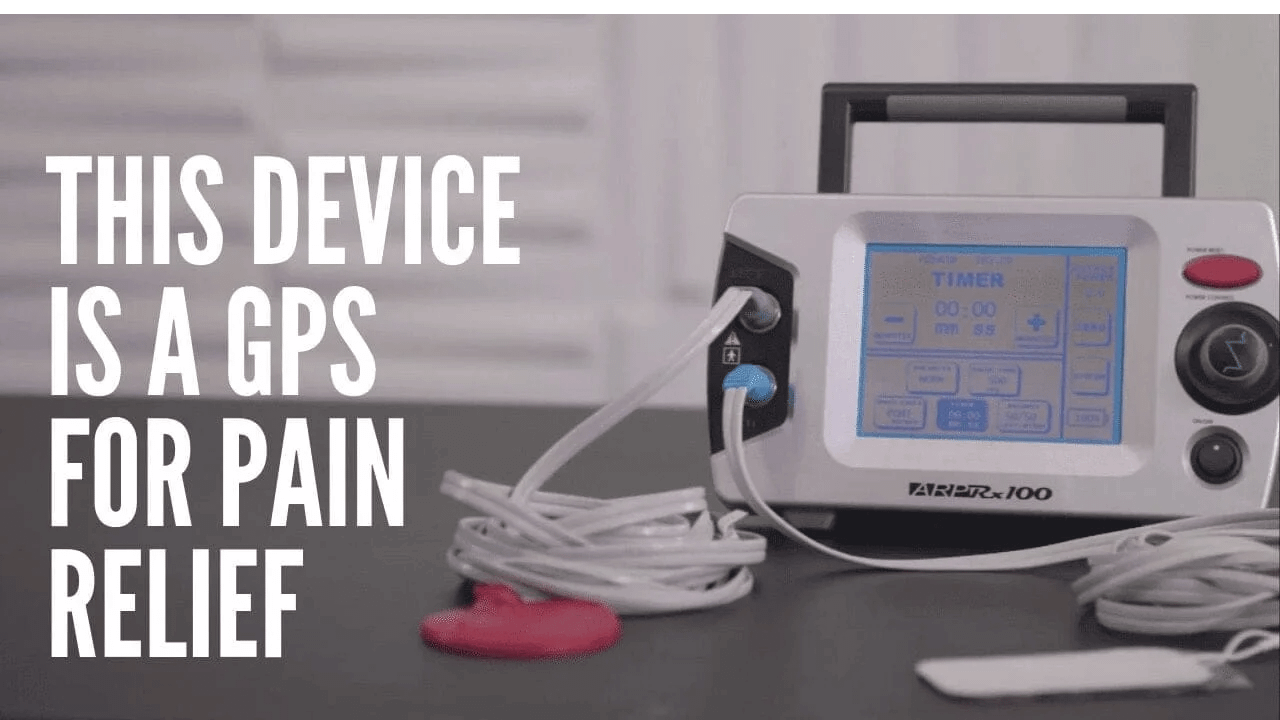
For example, our use of ARP Wave Therapy serves as a “GPS for pain.” If a post-employment exam reveals that a long-term employee is struggling with chronic back pain, we can use the ARP Wave RX100 to locate the neurological origin of that pain and treat it at the source. This often allows the employee to return to full capacity much faster than traditional “rest and ice” protocols.
Fitness-for-Duty vs. Return-to-Work
Understanding the nuances of different post-hire exams is essential for proper implementation:
- Fitness-for-Duty: These are typically triggered by a specific observation: perhaps an employee is struggling to complete tasks they used to handle easily. It ensures the employee is not a danger to themselves or others.
- Return-to-Work (RTW): After an injury, a doctor’s note saying “cleared for light duty” is often too vague. A thorough RTW exam tests the employee against the actual physical requirements of their job (e.g., “Can they lift 50 lbs to waist height?”). This prevents the common cycle of re-injury that occurs when employees return too soon.
Compliance: Staying Within the Lines
When implementing any post-employment exam, businesses must remain compliant with the Americans with Disabilities Act (ADA) and the Equal Employment Opportunity Commission (EEOC).
Exams must be:
- Job-Related: The tests must mimic the actual physical tasks of the job.
- Consistent: You cannot single out specific employees; the testing must be applied consistently to all employees in a specific job category.
- Necessary for Business: The exam must be a “business necessity” related to safety or the ability to perform the work.
Working with an expert provider like Dr. Stephen Ford ensures that your screening processes are medically sound and aligned with best practices for musculoskeletal health.
The Cultural Impact: A Team That Feels Valued
Beyond the numbers, there is a psychological benefit to post-employment exams. When a company invests in the physical longevity of its team, it sends a clear message: We care about your health as much as your output.
This leads to:
- Lower Turnover: Employees stay roughly three months longer in companies that prioritize health screenings.
- Higher Morale: Reducing the “burnout” associated with chronic pain creates a more positive, energetic workplace.
- Improved Safety Culture: Regular exams keep safety at the forefront of everyone’s mind, reducing the likelihood of “shortcuts” that lead to accidents.

Conclusion: A New Standard for Houston and Katy Businesses
The “Why” behind post-employment exams is simple: you cannot manage what you do not measure. In the physically demanding sectors of the Texas economy, the health of your workforce is your most valuable asset. Treating it as a static variable is a mistake that leads to unnecessary costs and human suffering.
Whether you are looking to revamp your current safety protocols or you have an employee struggling with the physical demands of their role, Dynamic Spine and Performance Center is here to help. From sports injury therapy and rehab to performance monitoring, we provide the tools needed to keep your team on the job and performing at their peak.
Don’t wait for an injury to disrupt your operations. Take a proactive stance on employee health today.
Build a Safer, Healthier Workforce
Post-employment examinations can serve different purposes depending on the employee’s job duties, medical circumstances, workplace requirements, and the reason for the evaluation. Employers should use appropriately designed, job-related occupational health programs rather than a one-size-fits-all approach.
Ready to Move, Recover and Perform Better?
Schedule an individualized consultation with Dr. Stephen Ford at one of DSPC’s Greater Houston locations.
Book an Appointment