
In the modern landscape of athletic development, the difference between a podium finish and an early exit often comes down to data. Athletes are no longer relying solely on how they "feel" when they wake up; they are looking at biological markers that provide a window into the internal state of their bodies. Among these metrics, Heart Rate Variability (HRV) has emerged as the gold standard for measuring recovery and readiness.
Whether you are a professional athlete or a weekend warrior, understanding HRV can be the key to unlocking a higher level of sports performance and chiropractic success. But what exactly is this metric, and why is it currently dominating the conversation in sports science and clinical rehabilitation?
What Exactly is Heart Rate Variability?
Most people assume that if their heart rate is 60 beats per minute (BPM), their heart beats exactly once every second. However, the human heart is not a metronome. There are slight variations in the time interval between consecutive heartbeats. For example, the gap between one pair of beats might be 0.95 seconds, while the gap between the next might be 1.05 seconds.
This variation is measured in milliseconds and is known as Heart Rate Variability. It is not an indicator of a heart murmur or an arrhythmia; rather, it is a direct reflection of the balance within your Autonomic Nervous System (ANS).
The ANS is divided into two main branches:
- The Sympathetic Nervous System (SNS): Often called the "fight or flight" system. It responds to stress, exercise, and perceived threats by increasing heart rate and blood pressure.
- The Parasympathetic Nervous System (PNS): Known as the "rest and digest" system. It helps the body relax, recover, and conserve energy.
A high HRV generally indicates that your body is responsive to both branches of the ANS. It signals that your nervous system is balanced and that your body is capable of adapting to its environment and recovering from stressors. Conversely, a low HRV suggests that one system: usually the sympathetic: is dominating, meaning your body is under stress and struggling to recover.
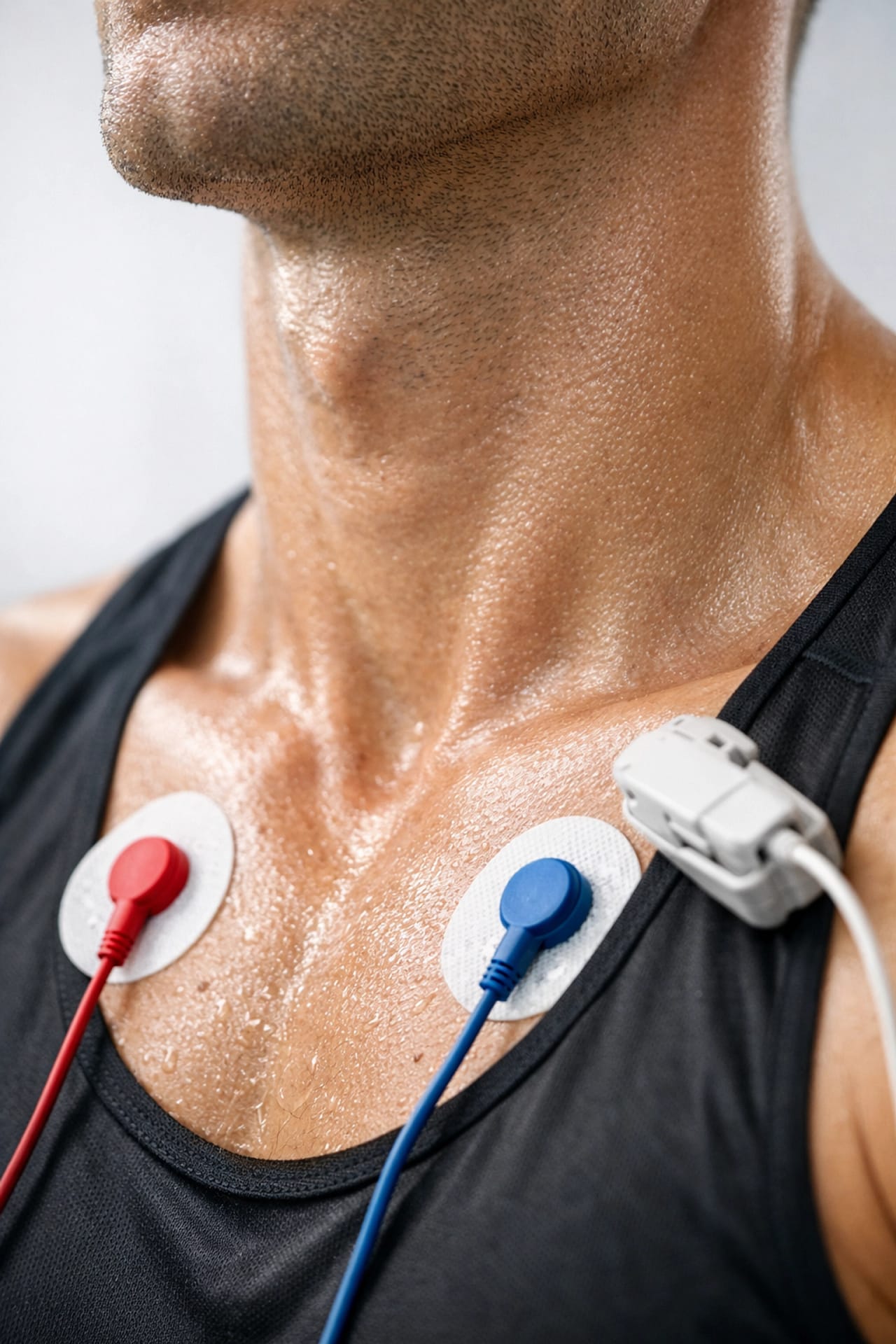
Why Is HRV Considered the Gold Standard for Recovery?
For decades, coaches and clinicians relied on subjective feedback to determine an athlete’s recovery status. While "I feel tired" is useful information, it is often unreliable. High-achieving athletes are notorious for pushing through fatigue, often ignoring the early warning signs of a sports injury.
HRV provides an objective, non-invasive metric for monitoring training adaptations and overtraining risk. Research published in various sports science journals indicates that HRV is a highly sensitive indicator of "non-functional overreaching." This is a state where an athlete’s performance decreases substantially due to an inability to recover from the cumulative stress of training.
By tracking HRV, we can see exactly how the body is responding to the demands placed upon it. It serves as a physiological "check engine light." If your HRV drops significantly over several days, it is a clear sign that your body is in a state of high stress, even if you haven't started feeling the physical symptoms of burnout yet. This allows for proactive adjustments to your training load, preventing the chronic fatigue that leads to long-term injuries.
How HRV Directly Boosts Sports Performance
The primary benefit of tracking HRV is the ability to implement "HRV-guided training." Instead of following a rigid, predetermined training plan that doesn't account for daily physiological fluctuations, athletes can adjust their intensity based on their daily HRV score.
Studies involving endurance athletes have shown that HRV-guided programming produces superior results compared to standard approaches. Athletes using this data-driven method have demonstrated significant increases in:
- Maximum running velocity
- VO2 max
- Peak power output
- Overall HRV (indicating a more resilient nervous system)
Interestingly, these gains are often achieved with fewer high-intensity training days. By only performing "maximal effort" workouts when the HRV indicates the body is ready, athletes maximize the efficiency of every session. When the body is already stressed (low HRV), adding high-intensity training provides diminishing returns and increases injury risk. By pivoting to active recovery or light mobility work on those days, the athlete allows the body to return to a state of readiness faster.

The Importance of Individual Baselines
One of the most common mistakes people make when they start tracking HRV is comparing their numbers to others. It is important to understand that HRV is highly individual. A "good" HRV score for one person might be 40ms, while for another, it might be 100ms. Factors such as age, gender, genetics, and baseline fitness levels all play a role.
At Dynamic Spine and Performance Center, we emphasize the importance of establishing a personal baseline. Long-term monitoring: typically over a period of four or more weeks: is necessary to identify your unique physiological patterns. Once we understand your "normal" range, we can accurately interpret the fluctuations. For instance, a slight dip in HRV after a heavy lifting session is expected, but a failure of that HRV to return to baseline within 24–48 hours suggests that the sports injury therapy and rehab protocols may need to be intensified or the training volume reduced.
How We Use Data to Guide Treatment
At Dynamic Spine and Performance Center, we don’t just treat symptoms; we manage the athlete's entire physiological profile. Our approach, led by Dr. Ford, integrates traditional chiropractic care with advanced sports science data.

We use HRV and other physiological markers to guide our clinical decision-making process. If an athlete presents with recurring pain and a consistently low HRV, it tells us that their nervous system is "stuck" in a sympathetic state. In these cases, simply performing chiropractic adjustments may not be enough. We might incorporate sports therapy techniques like ARP Wave therapy or soft tissue work specifically designed to down-regulate the nervous system and promote parasympathetic activity.
By looking at the data, we can determine:
- When to push: If your HRV is high and your mechanics are sound, it’s the perfect time for high-intensity performance work.
- When to pivot: If your HRV is low, we may focus on restorative care, joint mobility, and neurological "reset" techniques to help you bounce back.
- Why injuries are recurring: Often, chronic issues stem from a body that is never fully recovering. HRV helps us identify this systemic fatigue before it manifests as a physical breakdown.
Integrating HRV Into Your Daily Routine
If you are interested in optimizing your performance, starting to track HRV is a low-cost, high-reward move. Most modern wearables: from specialized rings to chest straps and smartwatches: now offer fairly accurate HRV tracking.
However, the data is only useful if you know how to act on it. This is where professional guidance becomes invaluable. We work with our patients to interpret their data and integrate it into a comprehensive plan that includes chiropractic care, nutritional support, and optimized training schedules.

Are You Ready to Train Smarter?
The era of "no pain, no gain" as a primary training philosophy is over. Today, the most successful athletes are those who train with precision. By tracking Heart Rate Variability, you are gaining a deeper understanding of your body's internal language. You can stop guessing about your recovery and start making informed decisions that lead to sustainable progress.
If you are struggling with plateaued performance, recurring injuries, or persistent fatigue, it may be time to look beyond the surface. Whether you are looking for sports performance chiropractic or advanced rehabilitation, our team is here to help you translate your body's data into peak performance.
If you have questions about how we use HRV data or want to learn more about our specific services, you should consider scheduling a consultation. Let’s stop the guesswork and start building a more resilient, higher-performing version of you.

Ready to Move, Recover and Perform Better?
Schedule an individualized consultation with Dr. Stephen Ford at one of DSPC’s Greater Houston locations.
Book an Appointment