
For an athlete, time is the most valuable currency. Whether you are a professional competitor or a dedicated weekend warrior, an injury represents more than just physical pain: it represents a disruption in performance and a delay in reaching your goals. When looking for the fastest path back to the field, court, or gym, you are likely to encounter two popular advanced modalities: ARP Wave Therapy and Cold Laser Therapy.
Both technologies are designed to accelerate the healing process, yet they operate on fundamentally different physiological principles. Choosing the right one can be the difference between a recovery that takes months and one that takes days. At Dynamic Spine and Performance Center, we prioritize treatments that not only mask symptoms but address the underlying causes of dysfunction.
Understanding the Fundamentals: What is Cold Laser Therapy?
Cold Laser Therapy, also known as Low-Level Laser Therapy (LLLT) or photobiomodulation, uses specific wavelengths of light to interact with tissue. Unlike surgical lasers, cold lasers do not heat or cut tissue. Instead, the photons from the laser penetrate the skin and are absorbed by the mitochondria: the powerhouses of your cells.
This absorption triggers a series of photochemical reactions that increase the production of adenosine triphosphate (ATP). Higher ATP levels allow cells to repair themselves faster and reduce oxidative stress. Cold laser is widely recognized for its ability to:
- Reduce localized inflammation.
- Decrease edema (swelling).
- Promote superficial wound healing.
- Provide temporary relief for minor muscle and joint aches.
While effective for cellular repair, Cold Laser is a passive treatment. The patient typically lies still while the laser is applied to the site of pain. It focuses heavily on the "hardware": the actual physical tissue that has been damaged.
The Neurological Approach: What is ARP Wave Therapy?
ARP Wave (Accelerated Recovery Performance) Therapy takes a radically different approach by focusing on the "software": the nervous system. Most sports injuries are not caused by the tissue that is currently hurting; they are caused by a neurological miscommunication that prevents muscles from absorbing force correctly.
When a muscle cannot absorb the shock of an impact or a movement, that force is transferred to parts of the body not designed to handle it, such as tendons, ligaments, and joints. This is how ACL tears, chronic back pain, and repetitive strain injuries occur.
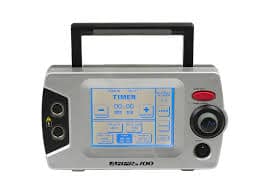
ARP Wave uses a patented bioelectrical current that is biologically compatible with the human body. Unlike standard TENS units which only mask pain, ARP Wave finds the neurological origin of the problem. It uses high-frequency electrical stimulation to:
- Locate the "hot spot" where the nervous system is failing to signal the muscle.
- Retrain the muscle to "turn on" and absorb force again.
- Flush out inflammation through massive blood flow increases.
- Prevent muscle atrophy during the recovery phase.
Speed of Recovery: Days vs. Months
When comparing recovery speed, the data heavily favors the neurological approach of ARP Wave for complex athletic injuries. Research and clinical applications have shown that ARP Wave can reduce pain levels 60-80% faster than traditional physical therapy or chiropractic care alone.
While Cold Laser Therapy can speed up the healing of a bruise or a minor strain by perhaps 20-30%, ARP Wave measures recovery in days rather than months. For example, post-surgical recovery for an ACL reconstruction typically involves months of muscle wasting and slow rehabilitation. A research study demonstrated that ARP-augmented rehabilitation produced three times greater gains in thigh muscle mass compared to standard rehabilitation alone.
By stimulating muscle fibers at high frequencies, ARP Wave keeps the muscle active even when the joint is technically "injured," allowing athletes to maintain their sports performance while they heal.

Active vs. Passive Treatment: The Athletic Edge
Are you looking to sit on a table or get back into motion? This is the primary functional difference between these two modalities.
Cold Laser is Passive: You sit or lie down while a technician moves a wand over your skin. There is no requirement for movement. This is beneficial for someone in the very acute stages of a traumatic injury where any movement is impossible, but it does little to prevent the compensatory patterns that lead to re-injury.
ARP Wave is Active: ARP Wave therapy is often performed while the athlete is moving. By putting the body through functional movements while the bioelectrical current is active, we "reset" the neurological patterns. We teach the body how to move correctly without the pain response. This active engagement is why ARP Wave is the preferred choice for elite athletes in the NFL, NBA, and NHL who cannot afford lengthy downtimes.
If you are dealing with early warning signs of a sports injury, waiting for passive healing may actually solidify bad movement habits. ARP Wave breaks those habits immediately.
Comparing the Two: A Summary
| Feature | Cold Laser Therapy | ARP Wave Therapy |
|---|---|---|
| Primary Target | Cellular ATP / Tissue | Nervous System / Muscles |
| Mechanism | Photobiomodulation (Light) | Bioelectrical Current |
| Patient Role | Passive (Lying down) | Active (Moving/Exercising) |
| Pain Relief | High for surface inflammation | High for deep-seated dysfunction |
| Recovery Speed | Moderate | Extreme (60-80% faster) |
| Force Absorption | No effect | Retrains muscles to absorb force |
| Atrophy Prevention | Limited | High (prevents muscle wasting) |
Which One Is Right For You?
If your goal is simply to reduce the redness of a skin abrasion or manage minor surface inflammation, Cold Laser is a valid, gentle tool. However, if you are an athlete dealing with a sports injury that requires treatment, such as a ligament tear, chronic tendonitis, or a muscle strain, ARP Wave is the superior choice for speed and long-term durability.
Most chronic pain is actually a "neurological ghost" of a previous injury. The tissue has healed, but the brain is still telling the muscles to guard that area. Cold Laser cannot fix a neurological guarding pattern. ARP Wave can.
At Dynamic Spine and Performance Center, we often see patients who have "tried everything": from traditional PT to laser: without lasting results. The reason they haven't found relief is that no one addressed the neurological misfire. By combining chiropractic adjustments with ARP Wave, we address both the structural and the functional aspects of your injury.

Integrated Performance Care
It is important to remember that these tools are most effective when part of a comprehensive sports therapy plan. We don't just look at the site of the pain; we look at the entire kinetic chain.
If you are currently struggling with an injury or feel like your recovery has plateaued, it is time to shift the focus from the hardware to the software. You shouldn't have to wait months to feel like yourself again.
See the Team at Dynamic Spine and Performance Center
Are you ready to experience the fastest recovery possible? Whether you are a local athlete or looking for specialized care for your equine partners, our team is here to help you return to peak performance.

Dr. Stephen Ford and the team at Dynamic Spine and Performance Center specialize in cutting-edge techniques that get athletes back in the game. From common conditions to complex rehabilitations, we provide the elite-level care you deserve.
Ready to start?
- Learn more about Dr. Ford.
- View our services.
- Check out payment options to get started on your recovery journey today.
Don't let pain dictate your season. Choose the neurological edge and get back to what you love faster.
Ready to Move, Recover and Perform Better?
Schedule an individualized consultation with Dr. Stephen Ford at one of DSPC’s Greater Houston locations.
Book an Appointment