
When you are responsible for a team: whether you are running a local delivery fleet in Katy or managing a high-output industrial facility in Houston: safety isn’t just a buzzword. It is the foundation of your business. Employers in Houston and Katy often have questions about how to appropriately evaluate and monitor employee health and job-related capabilities. Should an employer focus on pre-employment examinations, post-employment screenings, or use different evaluations at different stages of employment?
Need Occupational Health Services for Your Workforce?
Ford Occupational Health provides employer-focused occupational health services for businesses in the Houston and Katy area, including employment physicals and other workforce health services. Learn more about employer services through Ford Occupational Health.
The truth is that while both serve a purpose, they offer very different levels of protection for your workforce and your bottom line. Understanding the nuance between these two can be the difference between a thriving, healthy team and a mounting pile of workers’ compensation claims.
What Exactly Is a Pre-Employment Exam?
A pre-employment exam is essentially the “entry gate” for your business. It is a non-medical or limited medical assessment conducted before a candidate is officially hired. Think of it as a baseline check. These exams often include:
- Criminal background checks
- Drug and alcohol testing
- Employment history verification
- Basic physical “fit-for-duty” tests (non-comprehensive)
The primary goal here is a “go/no-go” result. You want to know if the person you are about to hire has the basic qualifications and a clean enough record to start the job. While these are essential for establishing a baseline of trust, they have a major flaw: they are a snapshot in time. A pre-employment check tells you about the candidate’s status on Monday, but it says nothing about their health or behavior by Friday.

Why Is Post-Employment Screening Becoming the Gold Standard?
Post-employment screening (or post-offer testing) takes place after a candidate has been offered a job and has accepted it. Unlike the general pre-employment phase, this is where we get into the “rich data” that truly protects a company.
At Dynamic Spine and Performance Center, we see the benefits of this deeper dive every day. Post-employment screenings are often much more comprehensive and can include:
- Detailed Medical History: Cataloging pre-existing conditions so you aren’t held liable for injuries that happened years before the employee joined your team.
- Physical Capacity Profile (PCP) Testing: Measuring specific metrics like range of motion, limb strength, and cardiovascular health.
- Real-Time Monitoring: Ongoing checks for professional license status, driving records, or new criminal charges that might occur after the hire date.
Life doesn’t stand still after day one. An employee who was perfectly healthy two years ago may have developed a back issue over the weekend that makes a specific lifting task dangerous. Post-employment screening allows you to catch these evolving risks before they result in a workplace accident.
Which One Offers Better Safety Results for Your Team?
If you are looking at raw data, post-employment screening is the clear winner for injury prevention. Research has shown that implementing post-offer Physical Capacity Profile testing can lead to a 36% average annual decline in workers’ compensation expenses.
Why is the impact so drastic? It’s because post-employment screenings allow for “job-role matching.” Instead of just asking if a person is “healthy,” these screenings ask: “Does this person have the specific shoulder strength required to lift 50-pound crates for eight hours a day?”
When you match the physical limits of an individual to the actual requirements of the job, injuries plummet. This is a core part of our philosophy at Dynamic Spine and Performance Center. We don’t just treat injuries; we help employers understand the physical demands of their workplace to prevent those injuries from ever occurring.
Are There Safety Benefits for the Employees Too?
Absolutely. Safety is a two-way street. When an employer invests in robust post-employment screening, the team benefits in several ways:
- Reduced Risk of Overexertion: By ensuring every team member is physically capable of their specific tasks, you prevent the “hero culture” where one person tries to overcompensate for a teammate who isn’t physically ready, leading to two injuries instead of none.
- Early Detection of Issues: Often, a screening might catch an early warning sign: like a reduced range of motion in the hip or shoulder: that the employee hadn’t even noticed. This allows them to seek sports therapy techniques or chiropractic adjustments before the issue turns into a chronic condition.
- Long-Term Health Maintenance: Continuous monitoring encourages a culture of wellness. When employees know their physical health is a priority for the company, they are more likely to stay proactive about their own recovery and performance.

Why You Should Consider Using Both
While post-employment screening offers deeper data, it doesn’t mean you should scrap pre-employment checks. The most effective safety strategy is a “layered” approach:
- Step 1: Pre-Employment. Filter out candidates who don’t meet basic safety or legal requirements (background checks and drug screens).
- Step 2: Post-Offer/Pre-Placement. Conduct a deep-dive physical assessment to ensure the employee is matched to the right role. You can learn more about these specific evaluations on our services page.
- Step 3: Continuous Monitoring. Periodic screenings (especially for DOT drivers or safety-sensitive roles) to ensure that the “go” status remains valid throughout their tenure.
This combination creates a safety net that protects the company from liability and protects the employee from physical harm.
How Can Chiropractic Care Enhance This Process?
You might wonder how a chiropractic center fits into employment screenings. At Dynamic Spine and Performance Center, Dr. Ford and the team specialize in the musculoskeletal system. We understand how the body moves: and how it breaks.
If a post-employment screening reveals that an employee has a limitation, they don’t necessarily have to be disqualified. In many cases, we can implement sports injury therapy and rehab or chiropractic adjustments to bring that employee up to the required physical standard.
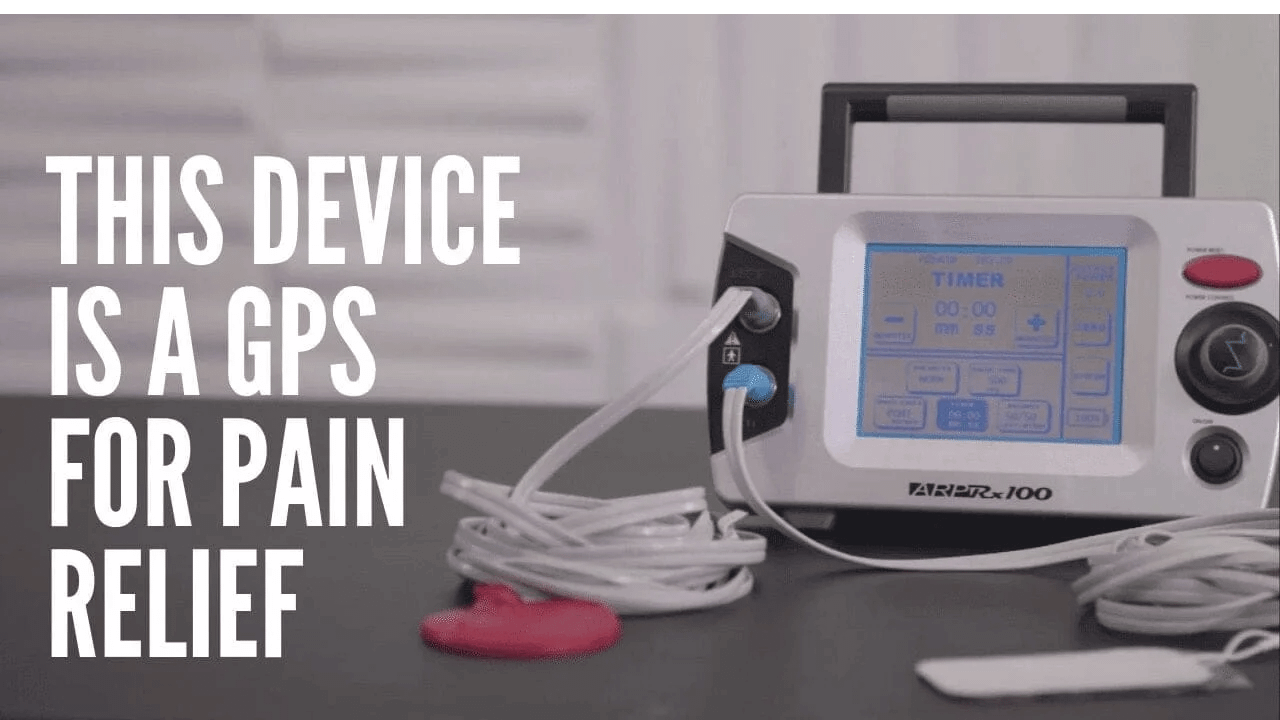
By integrating clinical expertise into your screening process, you aren’t just “filtering” people; you are actively building a stronger, more resilient workforce. We often use advanced technology like the ARP Wave RX100 to locate the true neurological origin of physical limitations, helping employees recover faster and stay on the job safely.
Is Your Current Screening Strategy Enough?
Take a look at your current incident reports. Are you seeing “freak accidents,” or are you seeing repetitive strain injuries and back issues? If it’s the latter, your pre-employment “snapshot” isn’t giving you the full picture.
Transitioning to a post-employment screening model: or adding it to your existing workflow: provides the continuous oversight needed for modern workplace safety. Whether you are dealing with common conditions or specialized sports-related roles, knowing the physical state of your team is your best defense against rising insurance costs and downtime.
If you’re ready to upgrade your team’s safety protocol or need a professional partner to handle your DOT physicals and employment screenings in the Katy and Houston area, see the team at Dynamic Spine and Performance Center. We’re here to help you get your team “back into the game” and keep them there.
Occupational Health Services for Houston and Katy Employers
Choosing the appropriate employment examination depends on the position, job demands, timing of the evaluation, and the employer’s occupational health program.
Ready to Move, Recover and Perform Better?
Schedule an individualized consultation with Dr. Stephen Ford at one of DSPC’s Greater Houston locations.
Book an Appointment