
Are you spending more time on the sidelines than on the field? Whether you’re a weekend warrior in Katy or a high-school athlete in Houston, injuries are an unfortunate part of the game. However, the real tragedy isn't the injury itself: it’s a botched rehabilitation process that turns a minor setback into a season-ending disaster.
At Dynamic Spine and Performance Center, we see athletes every day who are frustrated because their recovery has plateaued. Often, the reason isn't the severity of the injury, but the mistakes made during the rehab journey. If you want to stop the cycle of re-injury and get back to peak performance, you need to recognize where your current strategy might be failing.
Here are the seven most common mistakes athletes make with sports injury rehabilitation and the steps you can take to fix them.
1. The "Google MD" Trap: Going Solo Without Professional Guidance
One of the most frequent mistakes is attempting to self-diagnose and self-treat. In an era of YouTube tutorials and TikTok physical therapy "hacks," it is tempting to think you can manage a grade II sprain or a recurring back issue on your own.
The problem with this approach is that every athlete’s biomechanics are unique. What worked for a professional sprinter might actually exacerbate your specific injury. Without a professional assessment, you are guessing at the root cause. For instance, what feels like a simple hamstring strain might actually be a referral pain stemming from a lumbar spine misalignment.
The Fix: Seek professional help early. A qualified provider at Dynamic Spine and Performance Center can offer a comprehensive evaluation that includes functional movement screening and chiropractic adjustments. This ensures your rehab plan is built on a foundation of facts, not internet searches.
2. Rushing the Process: The Ego vs. the Tissue
We get it: you want to be back in the game yesterday. The drive that makes you a great athlete is the same drive that often destroys your recovery. Rushing back before your tissues have regained their physiological capacity is a recipe for a secondary, often more severe, injury.
When you return too soon, your body compensates. If your ankle hasn't regained full range of motion, your knee or hip will pick up the slack, leading to a "cascade" of injuries down the kinetic chain. Research in sports medicine consistently shows that athletes who return based on a timeline rather than objective performance markers have a significantly higher rate of re-injury.
The Fix: Respect the biological timelines of healing. Follow a structured progression that moves from pain management and mobility to therapeutic exercises and eventually sport-specific drills.

3. Quantity Over Quality: Sacrificing Form for Reps
During the rehabilitation phase, many athletes treat their rehab exercises like a standard gym workout. They aim to hit a certain number of reps or use a specific weight, often at the expense of perfect form.
In rehab, movement quality is everything. If you are performing a glute bridge but your lower back is doing all the work because of poor activation, you aren't fixing the problem: you're reinforcing a dysfunctional movement pattern. This is where "neuromuscular control" comes into play. You aren't just training the muscle; you're retraining the brain's connection to that muscle.
The Fix: Slow down. Focus on the mind-muscle connection. If you cannot maintain perfect form throughout the set, the resistance is too high or you are too fatigued. Quality of movement should always dictate the volume of your training.
4. Ignoring Mobility and Flexibility
Many athletes focus solely on "strengthening" the injured area while completely ignoring the surrounding mobility. Strength without mobility is like putting a powerful engine in a car with a seized steering column.
If you’ve suffered a shoulder injury, focusing only on rotator cuff strength while ignoring thoracic spine mobility will limit your recovery. Tight muscles and restricted joints create "energy leaks" that decrease your power and increase the stress on the injured tissue.
The Fix: Integrate sports performance chiropractic into your routine. Adjustments help restore proper joint mechanics, while targeted stretching and mobility drills ensure that your newfound strength can actually be used effectively.
5. The "Rest is Best" Fallacy: Failing to Balance Activity with Recovery
The old school "RICE" (Rest, Ice, Compression, Elevation) method is increasingly being replaced by "PEACE & LOVE," which emphasizes active recovery. While acute injuries need an initial period of protection, prolonged rest is actually detrimental. It leads to muscle atrophy, joint stiffness, and a decrease in bone density.
The challenge is finding the "Goldilocks zone": not too much activity to cause damage, but enough to stimulate healing. This is where advanced modalities can change the game.
The Fix: Utilize technologies like ARP Wave Therapy. The ARP (Accelerated Recovery Performance) Wave uses a unique electrical current to identify where the neurological origin of the pain is. By treating the neurological cause, not just the physical symptom, athletes can often continue moving and maintaining muscle tone during the recovery process.

6. Treating the Symptom, Not the Root Cause
If you have knee pain, do you only look at the knee? If so, you’re making a major mistake. The human body is a kinetic chain. Knee pain is frequently the result of weak hip abductors or poor ankle mobility. If you only treat the knee, the pain will inevitably return the moment you increase your training intensity.
This applies to our four-legged athletes as well. At Dynamic Spine and Performance Center, we also specialize in animal and equine chiropractic. Whether it’s a performance horse or a family dog, the principle remains: an issue in the pelvis can manifest as a limp in the leg.
The Fix: Look at the "big picture." A comprehensive rehab plan should address the joints above and below the injury site. This holistic approach ensures that the entire system is functioning optimally, which is the hallmark of non-invasive pain management.
7. Returning Based on the Calendar, Not Readiness
"The doctor said I'd be out for six weeks" is a dangerous sentence. Every person heals at a different rate. Factors like sleep, nutrition, age, and previous injury history all play a role in recovery speed. Returning to play just because the calendar says it's been six weeks is a gamble.
The Fix: Use objective readiness benchmarks. Can you balance on the injured limb as well as the healthy one? Is your strength within 10% of the uninjured side? Can you perform sport-specific movements (like cutting or jumping) without pain or compensation? Only when these early warning signs of a sports injury are gone should you consider a full return to competition.
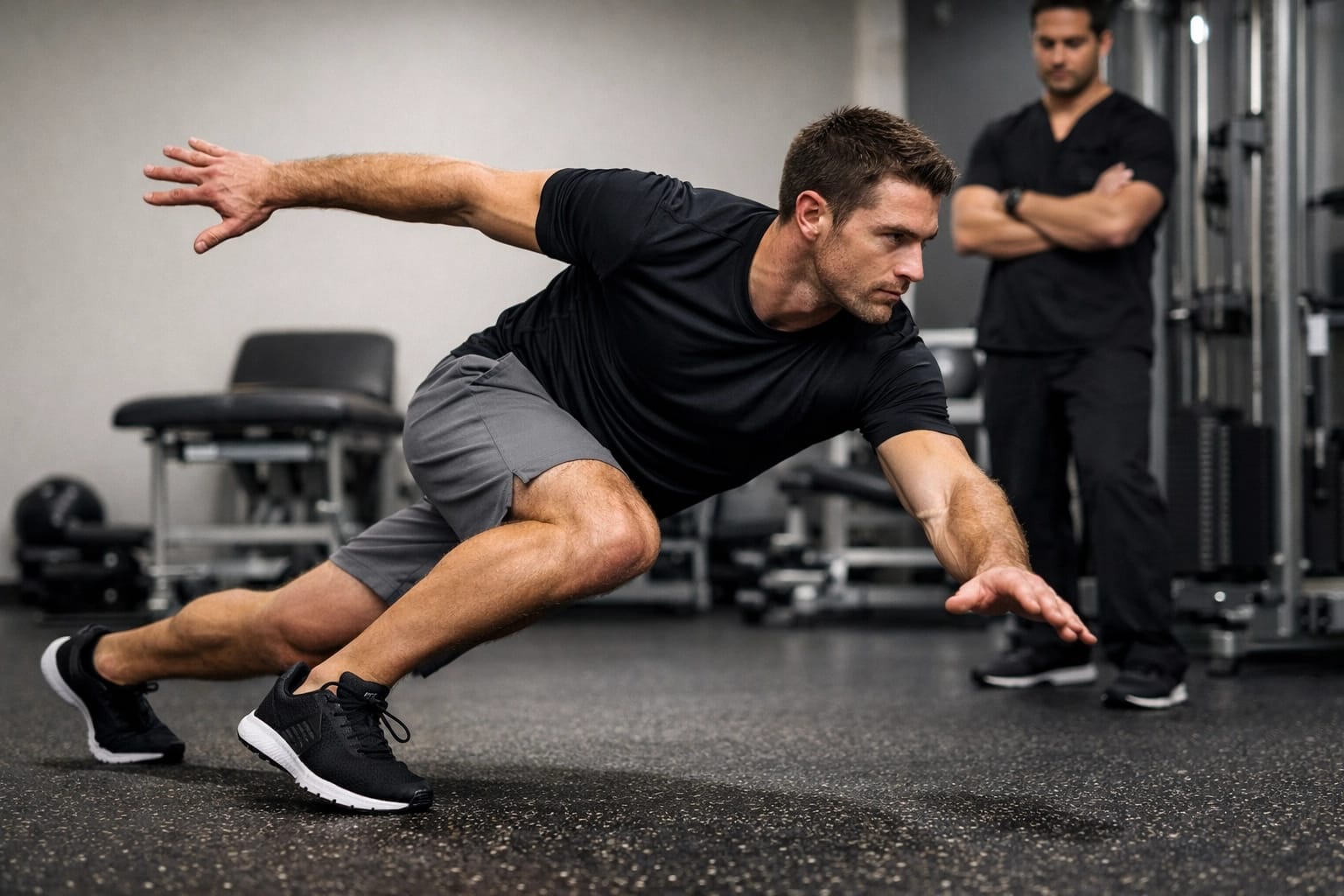
Getting Back in the Game with Confidence
Rehabilitation is not a passive process. It is an active commitment to rebuilding a better, stronger version of yourself. When you avoid these seven mistakes, you don't just "heal": you improve.
At Dynamic Spine and Performance Center, led by Dr. Stephen Ford, we are dedicated to helping athletes of all levels navigate the complexities of sports injury recovery. We combine traditional chiropractic care with cutting-edge sports therapy techniques to ensure you spend less time on the trainer’s table and more time on the field.

If you're ready to stop guessing and start recovering, it’s time to consult the experts. From chiropractic concierge club benefits for the elite athlete to specialized care for your equestrian partners, we have the tools to help you perform at your peak.
Don't let a mistake today lead to a re-injury tomorrow.
Ready to Move, Recover and Perform Better?
Schedule an individualized consultation with Dr. Stephen Ford at one of DSPC’s Greater Houston locations.
Book an Appointment